How Much Does Adding a Second Floor Cost in Australia?
If your family has outgrown the floor plan, building up can feel like the obvious move. More bedrooms, a proper parents’ retreat, maybe even a second living area so everyone stops arguing over the remote.
The big question is, how much does it cost to build a second storey? In Australia, it can swing wildly because every home starts with a different roof, structure, access point and council rulebook.
This guide explains typical costs, what drives the price and the extras that can push the budget up.
What Does Adding a Second Floor Involve?
When you start pricing how much to add a second storey, remember you are not just adding rooms. You are rebuilding the top of the home, upgrading the structure, getting approvals and managing major disruption during the work.
The job usually begins with design and engineering, so your existing home can safely support the added weight. Your team may need to strengthen walls, add beams, upgrade footings or adjust load paths.
Next comes planning and approvals. The new works must comply with the National Construction Code, plus your state and council requirements.
Then there is the reality check. Your layout changes, a staircase goes in, services may be rerouted and parts of the home can be noisy, dusty and temporarily off-limits.
How Much to Add a Second Storey?
A second-storey quote is built from several cost parts that can add up quickly. If you understand the main components, you can compare quotes properly and avoid missing inclusions.
Structural Design and Engineering
This covers the drawings and structural checks that confirm your home can safely take a second level. It can also cover plans for beams, bracing and any strengthening needed before work begins.
Council Approvals and Permits
These costs cover approvals so the build can begin legally. They may include application fees, assessments, inspections and required compliance paperwork.
Materials and Labour
This is the highest cost and covers most of the on-site work. It includes framing, insulation, plastering, electrical, plumbing and trade labour.
Roofing, Windows and Exterior Finishes
This covers roof work, new windows, and the external cladding and finishes for the new level. Costs rise when roof shapes are complex or when you choose larger windows and higher-end exterior materials.
Internal Fit Out
This includes bathrooms, doors, flooring, wardrobes, painting and fixtures for the upstairs area. Wet areas and custom cabinetry often increase costs, so the allowances in the quote are worth checking closely.
Stairs and Connections to the Ground Floor
This covers the staircase and the work needed to connect the new storey to the existing layout. Stairs can also trigger changes downstairs, including walls, lighting and additional finishing work.
Factors That Affect How Much Does It Cost to Build a Second Storey
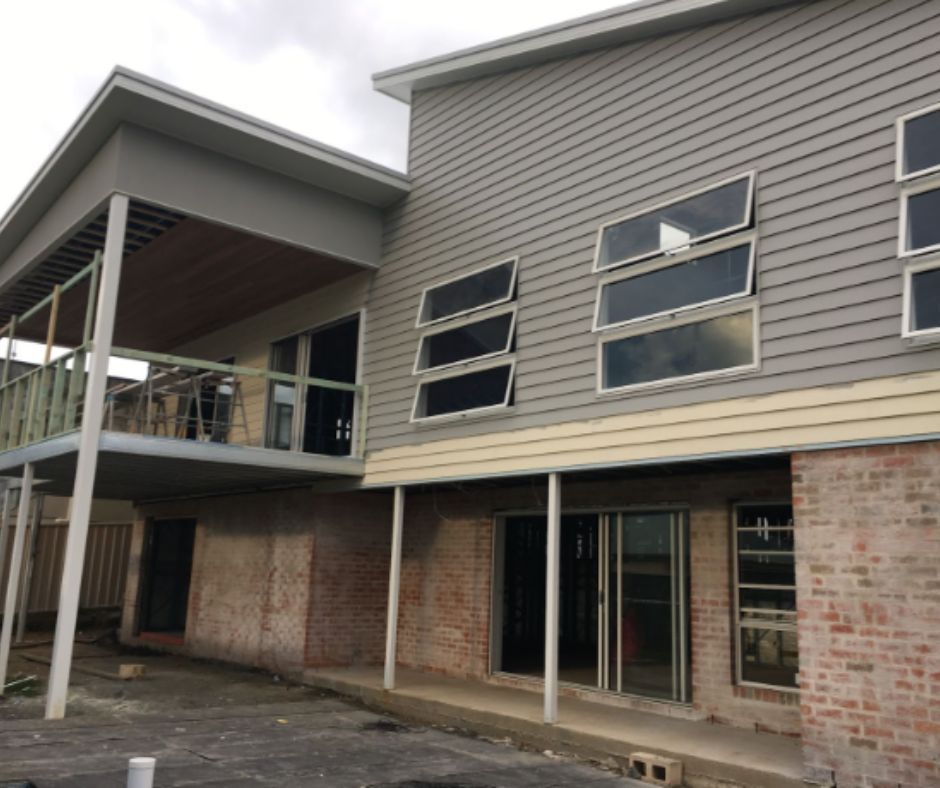
Second-storey costs can vary widely, even between homes on the same street. These factors are usually the reason one quote looks reasonable and another looks scary.
Land Slope and Site Access
Steep sites, narrow driveways and limited street access slow everything down. Slow costs money.
Existing Structure Condition
Some homes need significant strengthening to carry a second storey. If issues are discovered after demolition starts, costs can jump.
Material Quality and Finishes
Keeping the finishes practical helps control the budget. Premium selections multiply cost because they affect multiple trades and often extend lead times.
Roof Type
Simple roof shapes are easier to rebuild and tie in. Complex rooflines mean more labour and more wastage.
Size and Layout Changes
A clean layout upstairs is usually cheaper than lots of corners, voids and feature design elements. Downstairs layout changes also add cost.
Council and Heritage Requirements
Height limits, setbacks, overlays and neighbour considerations can add redesign time and approval delays.
Average Timeframe for a Second Floor Build
A second-storey build has two timelines; the planning stage and the on-site build stage. Most delays happen when approvals and scheduling take longer than expected.
Planning Approval Time
Approvals can take weeks or months, depending on your council and the complexity of the design. If changes are requested, the clock often resets whilst drawings and reports are updated.
Builder Schedule Time
Even after approvals, you may wait for a start date that suits the builder’s pipeline. Trades, material lead times and workload across other projects can all affect when your job begins.
Weather and Delays
Rain and high winds can slow roof work and framing, especially when the home needs to stay weatherproof. Delays can happen if structural issues are found after the roof or ceilings are opened.
Typical Build Lengths for Small and Large Homes
Smaller second storeys often move faster because there is less structure, fewer rooms and fewer finish items to install. Larger builds take longer because there are more trades, more fit-out work and more connection work to the existing home.
Ways to Save on Second Storey Costs
You can cut costs without cutting corners. The key is keeping the design tight and the scope under control.
Simple Design Options
Keep the upstairs footprint simple and avoid lots of corners and complex roof shapes. A straightforward layout is faster to build and usually cheaper to finish.
Reusing Existing Materials
Reuse items that are in good condition and still suit the updated home, such as internal doors, light fittings or some flooring. Just make sure the savings are real, not offset by repair and labour time.
Phased Build
Do the essential structure and core rooms first, then finish non-urgent upgrades later. This approach can help you stay within budget while still getting the extra space you need.
Competitive Quotes from Builders
Get quotes from more than one builder using the same plans and the same inclusions list. This makes it easier to compare pricing and spot missing items before you sign.
Common Extras That Add Cost
Most second-storey budgets blow out because of add-ons that seem small at the planning stage. If you are working out how much to add a second storey, price these upgrades early so your budget stays realistic.
New Bathrooms
Extra bathrooms add plumbing, waterproofing, tiling, ventilation and more fixtures. If the bathroom is not near existing plumbing, costs usually increase.
Balconies or Decks
Balconies and decks need extra structure, waterproofing and compliant balustrades. They can also increase exterior finishing work where the new and old parts of the home meet.
High-End Finishes
Premium flooring, stone tops, designer tapware and feature lighting can lift the total quickly. They often come with higher labour costs as well, not just higher material prices.
Custom Joinery
Built-in robes, wall-to-wall storage and bespoke cabinetry add design time and detailed installation. If you add joinery across several rooms, it can take up a big part of the fit-out budget.
Energy Efficiency Upgrades
Better glazing, higher insulation levels and upgraded ventilation can improve comfort and running costs. These upgrades still add upfront cost, especially if they require changes to window sizes or building details.
Permits and Council Approvals
Permits and approvals make sure the build is legal, safe and insured. They also protect resale value, since unapproved work can cause problems when you sell.
Why They Matter
Approvals confirm the design meets planning rules and building standards. They also set clear requirements for inspections, documents and compliance during the build.
Typical Cost of Appprovals
Permit and approval costs vary by council, state and the size of the project. In many cases, you should allow a few thousand dollars for application fees, assessments and inspections.
How Approvals Affect Budget and Timeline
Approvals can slow the project if the council requests changes or extra reports. Delays also add cost, especially if drawings need revisions or if the builder’s start date shifts while you wait.
Case Study Examples
These examples show how the budget can shift depending on size, layout changes and finish level. They are ballpark figures only and will vary by location and site conditions.
Case Study 1: Small Second Storey for Extra Bedrooms
A compact upper level adds two bedrooms and basic storage, with a simple stair position and minimal changes downstairs. This type of build often sits around the low to mid six figures when finishes are practical and the roof tie-in is straightforward.
Case Study 2: Mid-size Family Upgrade With a Bathroom
A larger upper level adds bedrooms plus one bathroom and includes some ground-floor changes to improve flow. This style of project often lands in the mid to high six figures because wet areas and extra fit-out work increase trade and material costs.
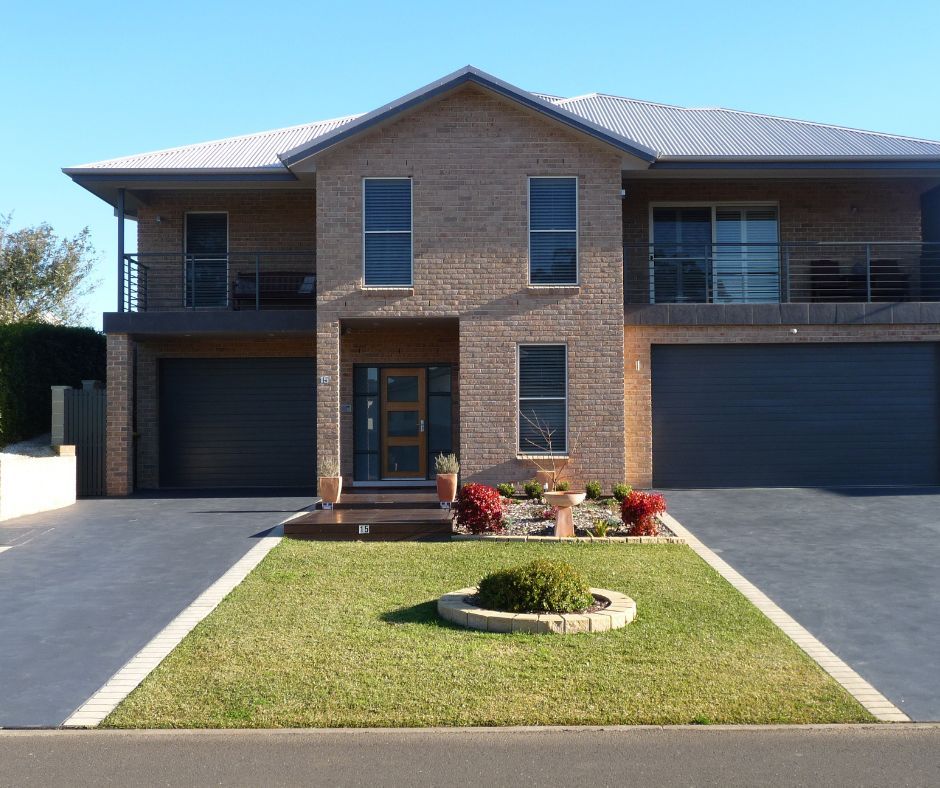
Work with Powerbuild Homes Today!
To answer your question, how much does adding a second floor cost? It often sits in the low to high six figures. The final price depends on your home’s structure, the design, site access and the finishes you choose. Costs increase when you add bathrooms, complex roof work, new stairs or major changes to the ground floor layout.
Get a few quotes using the same plans and inclusions list, so you can compare properly. For personalised advice, speak with Powerbuild Homes, specialists in custom homes, duplex & multi-dwelling builds, and additions & extensions.
Frequently Asked Questions
1. How much does adding a second floor cost on an older house?
- Building a new floor on an older house usually starts from $180,000 and can exceed $350,000 depending on the structure and finishes. Older homes often require extra work to meet current building codes.
2. Do I need engineering plans before quoting?
- Yes, most builders require engineering or architectural plans to give an accurate quote. These plans help assess structural requirements and prevent unexpected changes later.
3. How much does council approval cost?
- Council approval fees can range from $1,500 to over $5,000, depending on your location and project scope. These fees may include application charges, inspections and planning assessments.
4. Can I live in the house during construction?
- In some cases, you can stay in the home, but it may be noisy and disruptive. For major structural work, temporary relocation is often recommended.
5. What unexpected costs should I budget for?
- Unforeseen costs can include structural reinforcements, asbestos removal or site access adjustments. It’s wise to allow a 10–15% buffer in your budget.
6. How long does a second storey build take?
- Most second-storey builds take between 4 to 7 months, depending on weather, approvals and project complexity. Delays can occur if hidden issues arise during construction.
7. What are the benefits of adding a second floor?
- You gain more living space without reducing your backyard. It can also increase your property’s value and improve layout functionality.
8. Is it cheaper to extend out or build up?
- Single-storey extensions are often cheaper if there’s space on your block. However, building up is ideal for maximising space on smaller properties or in urban areas.