The Custom Home Building Process: Step-by-Step in Nowra
Building a custom home around Nowra, Berry or the wider Shoalhaven is exciting, but it can also feel overwhelming. There’s land to choose, council rules to understand and a long list of decisions before you ever see a slab.
This guide breaks down the process of building a custom home into clear stages so you can see what happens from first ideas through to move-in. If you’re looking for a custom home builder in Nowra, our Custom Homes team can help you plan each stage in a way that’s tailored to how things work locally in the Shoalhaven. You’ll see what happens when, how long each step usually takes and where a decision can speed things up or slow them down.
You’ll also get a feel for working with a hands-on, family-run builder like Powerbuild Homes, where you can speak directly with the builder from first chat to handover.
What a Custom Home Really Means in the Shoalhaven
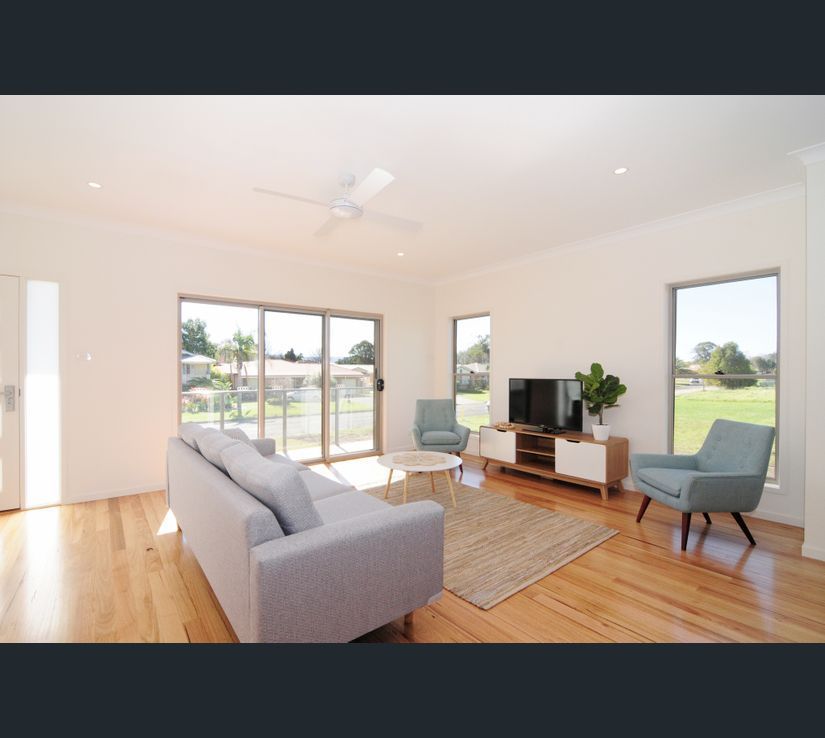
A custom home is designed around your block, lifestyle and budget, not squeezed into a standard plan. That matters in the Shoalhaven, where blocks range from tight Nowra infill sites to Berry hillsides and coastal land near Jervis Bay.
With a custom build, your designer and builder can respond to slope, views, breezes and council controls so your home works with the land, not against it.
Custom Home vs Project Home
Project homes use a fixed range of plans, with only limited changes before costs jump. They’re great for flat estate blocks, less so for sloping, coastal or bushfire-affected sites.
Custom homes, by contrast:
- Start with your site, not a catalogue.
- Allow genuine layout and façade flexibility.
- Can handle tricky slopes, BAL ratings and flood controls.
- Can focus on long-term comfort and running costs in Nowra’s climate.
If your block isn’t perfectly flat or your wish list doesn’t fit a standard plan, a custom approach gives you far more control.
Who Is a Custom Home Build Best For?
Building a custom home is a great option if you:
- Want to maximise views, light and breezes (for example, towards Cambewarra Mountain or the Shoalhaven River).
- Own or are eyeing a sloping, coastal or bushfire-prone block.
- Need specific layouts for multigenerational living, work-from-home space, studios or accessible design.
- Care about tailoring your home to how you actually live, not how a generic plan expects you to live.
If that sounds like you, a custom build is usually a better long-term solution than a standard project home. If you’re still weighing up whether a custom build is worth it for your family, take a look at our guide to the
top 10 benefits of building a custom home in Nowra.
Overview: Custom Home Building Process Timeline in Nowra & the Shoalhaven
Before diving into stages, it helps to understand the overall custom home building process timeline. Most Shoalhaven custom homes move through three major phases: planning, approvals/pre-construction and on-site building.
On a straightforward block, that might be six to nine months. On a complex site with detailed design and reports, it may be closer to nine months to one year.
The Three Major Phases
Think of your journey in three chunks:
1. Pre-design & planning – roughly 3-6 months
- Budget and finance conversations
- Block selection and early builder input
- Concept designs and feasibility checks
2. Approvals & pre-construction – roughly 2–4+ months2.
- Detailed plans, engineering and reports
- DA or CDC approvals
- Final quote, contract and key selections
3. Construction & completion – roughly 4-12 months
- Site works, foundations and frame
- External shell, then internal fit-out
- Inspections, handover and move-in
Shorter timeframes usually mean simple sites, quick approvals and fast decision-making. Longer ones often involve sloping land, bushfire/flood overlays or more complex designs.
Why Custom Builds Take Time
Custom builds involve more work up front than standard homes, mainly because:
- Designs must respond to Shoalhaven City Council controls, plus any bushfire, flood or coastal requirements.
- Slopes, soil types and access all need careful engineering and planning.
- You have far more input on layout and finishes, so decisions take longer but pay off later.
- Weather, trades and material availability can affect sequencing, especially during wet South Coast periods.
The upside: time invested early usually means fewer surprises, fewer variations and a smoother build.
Stage 1: Planning, Budget & Choosing the Right Block
Stage 1 sets the foundations for a realistic, stress-minimised custom home building process.
Clarify Your Budget and Finance
Start with your total project budget, not just the “house price”. Key components usually include:
- Land purchase and legal costs
- Site works (cut-and-fill, retaining, driveways, services)
- Design, engineering, energy and bushfire/flood reports
- Main build contract (including allowances)
- A 10–20% contingency for unknowns
Early conversations with a broker or lender in Nowra help you understand borrowing capacity and choose a block that matches your budget and goals.
Choosing a Block in Nowra & the Shoalhaven
When comparing blocks around Nowra, Berry or Shoalhaven Heads, look beyond the price tag:
- Slope & soil: These affect footing design, retaining, and drainage.
- Bushfire & flood: BAL ratings and flood overlays bring extra requirements and costs.
- Access & services: Think truck access, power, water, sewer and NBN.
A quick site walk with a local builder before you buy can reveal hidden costs or confirm that the block is a great fit for your plans.
Talk to Your Builder Early
You don’t need finished plans to talk to a builder. In fact, early input often saves money by:
- Aligning your wish list with realistic build costs.
- Flagging site constraints before you commit to a design.
- Helping you choose between potential blocks.
An initial consultation typically covers your budget, preferred suburbs, must-have spaces, style ideas and timing. Many Shoalhaven families comment that one early meeting made the rest of the journey far clearer. A short obligation-free consultation is often enough to confirm whether a block or concept is the right fit before you commit.
Stage 2: Design, Documentation & Approvals
Stage 2 turns your ideas and site information into a buildable, approvable design.
Concept Design
Concept design is where your lifestyle, site and budget are woven together. Your designer and builder will consider:
- Orientation for sun, shade and breezes
- Views and privacy from neighbours and the street
- Indoor, outdoor flow to decks, yards and alfresco areas
- Storage, circulation and future flexibility
Checklist: What to bring to your design meeting
- Budget range and timing
- Contract of sale/planning certificate (if available)
- Any surveys, soil tests or BAL/flood info
- A short list of “must-haves” and “nice-to-haves”
- Photos or links showing styles you like
The clearer your brief, the better your concept design will match how you live.
Council Approvals and Planning
In the Shoalhaven, your custom home will usually proceed via:
- Development Application (DA) with the council, or
- Complying Development Certificate (CDC) with a certifier, if the design meets code-based rules.
Bushfire-prone land, flood risk or heritage/landscape overlays often mean a DA. Allow several months for design refinements, reports and council assessment, especially on more complex sites.
Construction Documentation & Building Permits
Once your design path is chosen, detailed documentation is prepared. This typically includes:
- Working drawings and structural engineering
- Specifications for key materials and finishes
- Energy reports and other compliance documents
These form the basis for your fixed-price quote and building permit/Construction Certificate. It’s almost always cheaper to tweak things now than once concrete is poured.
Stage 3: Detailed Quote, Contract & Pre-Site Preparation
With design and documentation in place, you’re ready to lock in cost, contract and key decisions before site start.
Getting a Transparent, Detailed Quote
A good quote should make it easy to see what you’re paying for. Look for:
- Clear inclusions and exclusions (e.g. driveways, floor coverings, landscaping)
- Realistic Prime Cost (PC) allowances for fixtures and finishes
- Provisional Sums (PS) explained in plain English
- Honest site works allowances based on your block’s conditions
Ask your builder to walk you through the numbers line by line. A Nowra-based builder who knows local sites can explain where allowances are generous or tight.
Building Contract Basics
Your contract sets out how the job will run. It usually covers:
- Contract type and total price
- Deposit and staged progress payments
- Estimated construction timeframe and what can extend it
- How variations are priced and approved
- Warranties, insurances and dispute resolution
A reputable builder will happily explain clauses and encourage you to seek independent advice if needed.
Pre-Construction Works
Before anyone turns soil, there’s a burst of setup activity:
- Finalising kitchen, bathroom, flooring and colour selections
- Confirming service connections and any demolition needs
- Ordering long lead-time items such as windows and specialty fixtures
Selections checklist: Lock in before site start
- Kitchen layout, cabinetry and benchtops
- Bathroom layouts, tiles and tapware
- Window and door styles
- Flooring and paint colours
- External cladding and roof colours
The more decisions you make now, the less you’ll be rushed during construction.
Stage 4: On-Site Construction From Slab to Lock-Up
Stage 4 is where your home takes shape, moving through recognisable steps from bare block to near-complete house.
Site Preparation & Foundations
Your builder will:
- Set out the house on site and install erosion controls
- Clear vegetation and strip topsoil where required
- Complete earthworks, drainage and retaining
- Excavate and pour the slab or other footing system
Good footing and drainage design is especially important on sloping Berry blocks or heavier Nowra soils.
Frame & Lock-Up Stage
Next, the structure rises:
- Structural frame (often including steel house frames in the Shoalhaven, where appropriate)
- Roof trusses, roof sheeting and sarking
- External walls, cladding and windows
Once the shell is complete and lockable, you’ve reached “lock-up”, a major milestone when rooms feel real, and weather stays outside.
Internal Fix-Out & Services
Inside, trades move through in sequence:
- Rough-in of plumbing, electrical and air conditioning
- Insulation and internal linings
- Waterproofing and tiling in wet areas
- Cabinetry, internal doors, trim and painting
- Flooring and final fixtures
Regular updates from your builder help you stay across progress and any small decisions that arise.
External Works & Landscaping
At the same time, external works round out the property:
- Driveways, paths and external stairs
- Decks, verandahs and alfresco areas
- Basic landscaping and yard shaping
Some clients choose a simple “starter” landscape at handover, then add planting and features over time.
Stage 5: Handover, Warranties & Settling In
Stage 5 covers final checks, receiving the keys and learning how to look after your new home.
Practical Completion & Final Inspection
“Practical completion” means the home is ready to live in. You’ll:
- Walk through with your builder
- Note any defects or touch-ups
- Agree on a timeframe for rectification
It’s your chance to check finishes, test doors and windows and confirm everything matches your contract and selections.
Warranties, Maintenance and Support
In NSW, statutory warranties generally cover structural and non-structural work for set periods, alongside manufacturer warranties. Your builder should provide:
- A handover pack with manuals and certificates
- Guidance on servicing key systems
- A clear process for post-handover questions
Good local builders rely on word of mouth, so they’re invested in your long-term satisfaction.
Living in Your New Custom Home
To get the best from your home in Nowra’s climate:
- Use shading and windows to manage the sun and breezes seasonally
- Keep gutters, downpipes and drainage clear
- Maintain coatings and external timbers as recommended
A little regular care keeps your home looking great and performing well.
How Long Does It Take to Build a Custom Home?
For most families in Nowra and the Shoalhaven, building a custom home takes roughly 9 to 18 months from the first ideas through to move-in.
- Planning and design: 3–6+ months
- Approvals and pre-construction: 2–4+ months
- On-site construction: 4–12 months
Where you land in that range depends on:
- DA vs CDC approvals and any overlays (bushfire, flood, heritage)
- Site complexity and access
- Weather during key stages
- Material and trade availability
- Number and timing of client variations
Understanding this upfront means less frustration and more realistic expectations about your overall build timeline.
Tips to Keep Your Custom Home Build On Time & On Budget
You can’t control everything, but you can significantly influence how smoothly your build runs.
Plan Thoroughly Upfront
Good planning reduces surprises. Thorough design and documentation mean:
- More accurate quotes
- Fewer variations
- Less rework on site
Treat early planning as insurance against stress and extra cost later.
Decide Early and Avoid Constant Changes
Changes are normal, but constant changes add cost and time. You can help by:
- Finalising key selections before construction
- Asking questions early if you’re unsure
- Keeping late changes for genuine improvements
Each variation usually involves extra design time, new pricing and sometimes rework.
Allow a Sensible Contingency
Even with investigations, a building can uncover unknowns. A 10–20% contingency helps cover:
- Unexpected ground conditions
- Upgrades you decide are worth it
- Additional reports or minor design tweaks
Having a buffer set aside makes decisions calmer and more considered.
Choose a Reputable Local Builder
A Nowra-based builder who regularly works across the Shoalhaven can:
- Predict common site issues and allow for them early
- Navigate council processes efficiently
- Coordinate reliable local trades and suppliers
Local insight can spot, for example, that a Berry hillside block needs extra retaining and drainage long before you’re on site, so those costs are planned, not surprises.
Working with a Family-Run Nowra Builder Like Powerbuild Homes
Powerbuild Homes is a family-run builder with decades of experience based in Nowra, working across Berry, the Shoalhaven and the surrounding South Coast areas. With decades of experience, our team combines local knowledge with a hands-on approach to every project.
What you can expect:
- Owner-led projects: You can speak directly with the builder at all times, not just a salesperson.
- Local expertise: Deep understanding of Shoalhaven soils, slopes, climate and council expectations.
- Craftsmanship and care: Carefully selected trades and a focus on doing things properly, not just quickly.
- Clear communication: Straightforward explanations of design options, costs and timing at each stage of the custom home building process.
Our clients often comment on the value of dealing with a builder who knows their block, understands their goals and stays involved from first site visit to handover. An obligation-free conversation is usually the easiest way to explore what’s possible for your land, budget and timeline.
Conclusion: Start Your Custom Home Building Journey with Confidence
Once you can see the stages, building a custom home stops feeling mysterious and starts feeling manageable. It’s simply a series of clear steps: choose the right block, plan thoroughly, secure approvals, build, then settle in.
You don’t need to have everything worked out today. You just need:
- A realistic budget
- A suitable block or shortlist
- A local, reputable builder to guide you
If you’re considering building in Nowra, Berry, or the broader Shoalhaven, a short, obligation-free chat with a family-run builder like Powerbuild Homes can give you clarity on your options before you commit to land or plans. Whether you’re planning
custom builds, a
duplex or multi-dwellingproject, or
renovations,
contact us today to book a quick chat and get straightforward advice on your next steps.
Key Takeaways
- Custom building is a multi-stage journey, not a quick transaction.
- Most Shoalhaven projects take around 9 to 18 months from first ideas to move-in.
- Early involvement of a local builder improves design, budget control and timing.
- Approvals, site constraints and late changes are the most common causes of delays and blowouts.
- A hands-on, family-run builder makes the journey clearer, more personal and less stressful.
FAQs
Q1: How long does the custom home building process usually take in Nowra?
A1: Most custom homes around Nowra and the Shoalhaven take about 9 to 18 months from first planning chats to move-in, depending on approvals, site conditions and how complex the design is.
Q2: What are the main stages of building a custom home?
A2: The process generally follows five stages: planning and block selection; design and approvals; detailed quote and contract; on-site construction; and handover with warranties and settling in.
Q3: When should I talk to a builder: before or after I have plans?
A3: It’s usually best to speak with a builder before you pay for full plans. Early advice helps ensure your ideas suit your block, budget and council controls, and can prevent costly redesigns.
Q4: Do I need council approval to build a custom home in Shoalhaven?
A4: Yes. You’ll usually need either a Development Application (DA) approved by Shoalhaven City Council or a Complying Development Certificate (CDC) through a certifier. Your builder and designer will recommend the best path.
Q5: How is a custom home different from a project home in process and cost?
A5: With a custom home, design and approvals are more tailored, so planning takes longer but fits your block and needs better. Costs can sometimes be higher than basic project homes, but you gain flexibility, better site response and long-term liveability.
Q6: What can affect your custom build timeline?
A6: Your overall timeline is most affected by approval timeframes, site complexity, weather, material and trade availability and the number and timing of client variations during design and construction.
Q7: How much input do I have in the design and selections?
A7: You have a high level of input. You’ll work with your designer and builder on room layouts, façade style, fixtures, finishes and colours, with guidance so choices suit your site and budget.
Q8: What kind of warranty and after-care do I get with a custom home?
A8: You’ll receive statutory warranties under NSW law, plus manufacturer warranties on key products. A good builder will also offer a clear, responsive process for addressing any issues after you move in.
Q9: Is this process similar for major renovations, extensions or duplexes?
A9: Yes, the overall stages are similar, but renovations, extensions and duplexes often have additional complexity around existing structures, neighbours and services. If you’re considering a duplex or multi-dwelling investment property, the same planning, approvals and construction principles apply, but there are extra design and zoning considerations.
Q10: How do I start the custom home building process with a local builder?
A10: A simple first step is to book an obligation-free meeting with a Nowra builder such as Powerbuild Homes. Bring any block details, budget ideas and wish lists and they’ll outline the next steps in your custom home build.