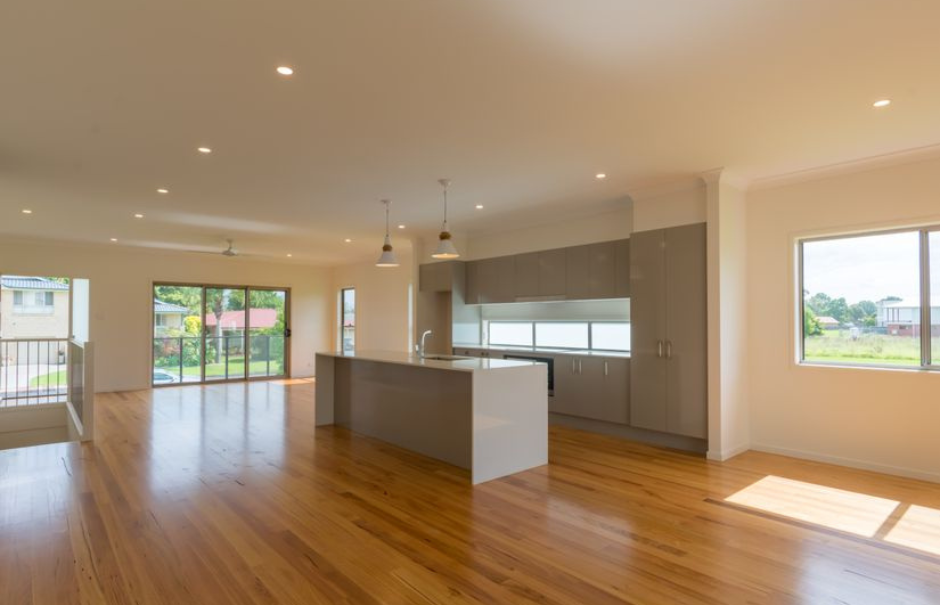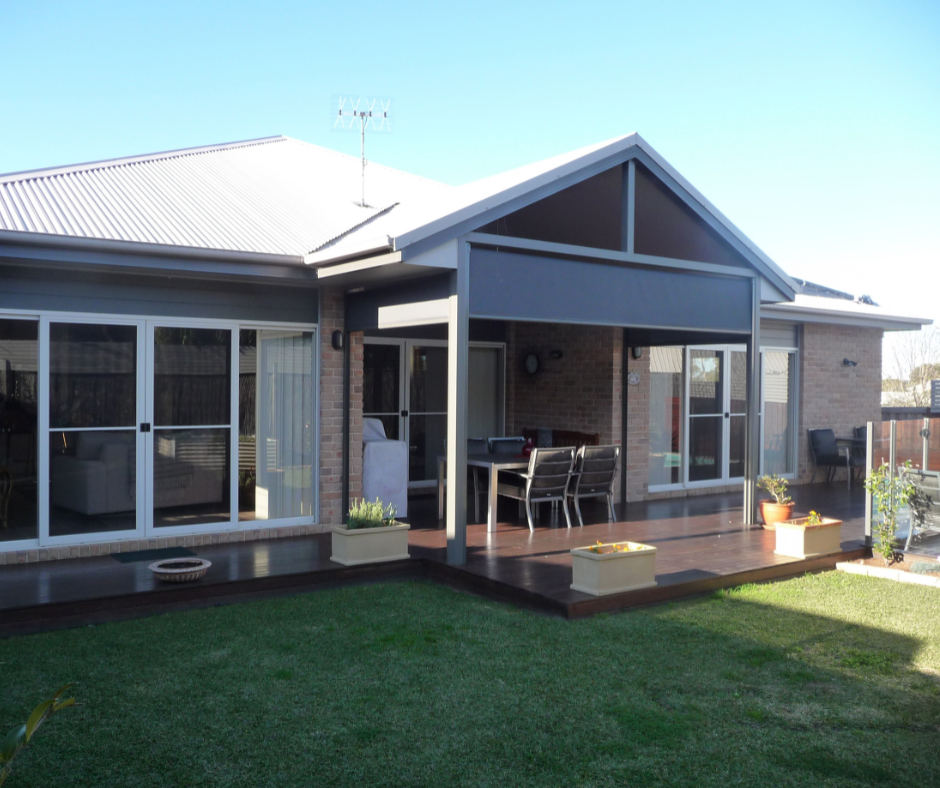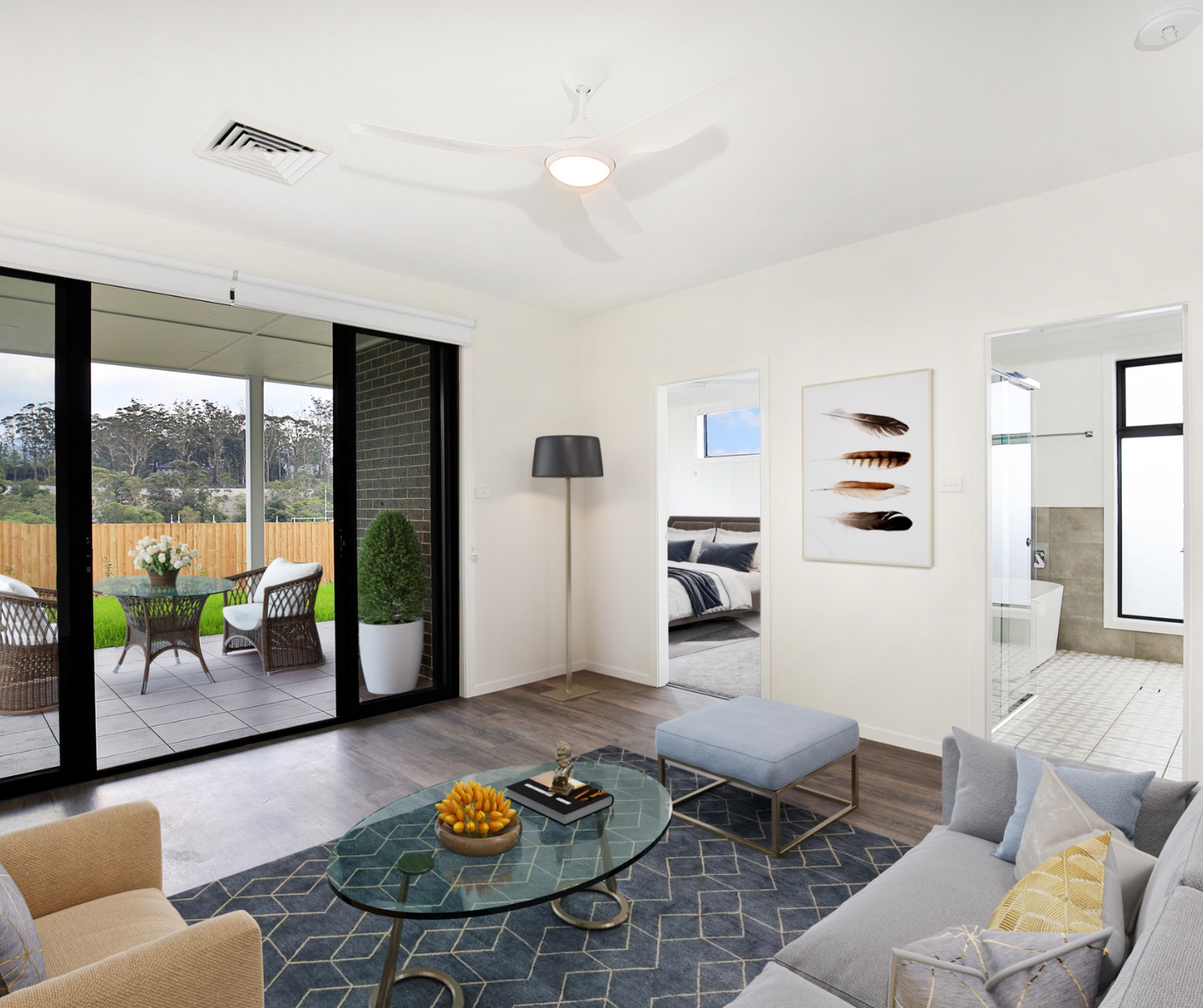
Ground Floor Extension Guide for Nowra Homeowners
Extending at ground level lets you stay in the home you love while gaining the space you have always needed. More room, better layout, same suburb. It is one of the more practical decisions a homeowner can make, and in Nowra, plenty of people are doing it.
This article explains everything from design options to approvals, costs, and the mistakes worth avoiding before you spend a cent.
Why a Ground Floor Extension Appeals to Nowra Homeowners
More space, better flow, and no moving truck required. Here is why so many Nowra homeowners choose to build out instead of move on.
More Space Without Leaving the Area You Love
Moving house in Nowra is not just a financial decision. It is a lifestyle decision. New school catchments, longer commutes, and starting over with neighbours you do not know yet. For a lot of families, none of that is worth it.
A ground floor extension solves the space problem without touching the rest of your life. You keep your routines, your community, and your commute. You just get more room to come home to.
A Better Layout for Modern Family Living
More square metres is one thing. A layout that actually works is another. A well-planned ground floor extension can open up the relationship between your kitchen, dining area, and outdoor space in ways that a cosmetic renovation simply cannot.
Families today want spaces that flow. Cooking while keeping an eye on kids outside, hosting without everyone crowding into a hallway, and sitting down for dinner without the table touching the fridge. Good extensions fix those friction points instead of just adding square metres.
Single-Level Living Can Be Easier Day to Day
No stairs means fewer bumped shins, no barrier for toddlers learning to walk, and a home that keeps working for you as your family ages. Single-level living is not just convenient now. It is a smart long-term call.
If you have older family members at home or plan to live in the property for decades, a ground-floor extension is worth considering.
Is a Ground Floor Extension Right for Your Home?
Not every block suits every build. This is how to figure out what your property can actually support before you fall in love with a floor plan.
How Much Land Do You Need to Build Out?
Building out requires land. That sounds obvious, but the shape of your block matters as much as its size. A long, narrow block and a wide, shallow block can both have 600 square metres and very different options.
Before you get excited about floor plans, figure out what your block actually allows. Side setbacks, rear setbacks, and existing structures all affect how much you can realistically build.
Rear, Side and Wrap-Around Options Explained
A rear extension adds space at the back of the home, usually to expand living areas or add a kitchen-dining zone. A side extension uses unused space beside the house and often suits homes on wider blocks. A wrap-around combines both directions and works well when you want to significantly increase floor area without touching a second storey.
Older homes on standard suburban blocks often lend themselves well to rear extensions. Wider blocks in Nowra's newer estates tend to open up more options for side and wrap-around layouts.
When Building Up May Be the Better Option
If your backyard is the reason you bought the property in the first place, losing it to a ground floor extension is a real trade-off. A second storey addition keeps your outdoor area intact while still adding significant floor space.
Building up generally costs more and involves more structural work, but it is the smarter choice when land is the limiting factor. The right answer depends on your block and your priorities, not a blanket rule.
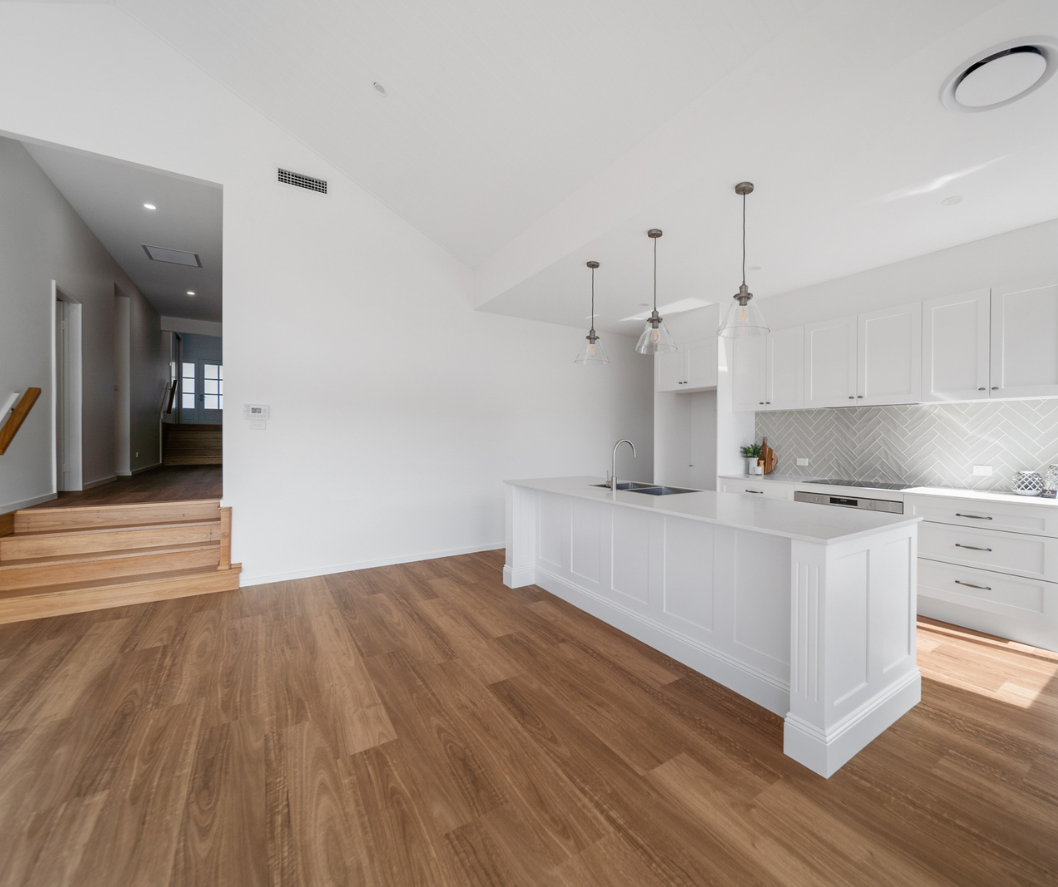
Ground Floor House Extensions That Add Everyday Value
The best extensions do not just add space. They fix the parts of your home that have always quietly frustrated you.
Open-Plan Kitchen, Dining and Living Extensions
This is the most popular type of ground floor extension in Australia, and for good reason. A larger, open kitchen and dining space connected to the backyard transforms how a home feels and functions. It handles weekday family chaos and weekend entertaining without the space ever feeling like it is doing double duty.
If you are adding a kitchen as part of the extension, factor in the extra cost of plumbing and electrical work. It adds to the budget but usually adds the most to daily life.
Extra Bedroom and Bathroom Combinations
Growing families need bedrooms. Families with visiting relatives need a bathroom that goes with them. An extra bedroom and ensuite combination handles both, and it tends to add genuine resale value because it solves a problem most buyers will also have.
Multigenerational living is increasingly common in Australia. If you have ageing parents or adult kids who have not quite launched yet, a self-contained bedroom suite gives everyone space and dignity.
Home Office or Flexible Multi-Use Room
Remote work was already growing before 2020 accelerated it dramatically. A dedicated home office, separate from the kitchen table and the living room television, changes how productive and how sane you feel during a workday.
The smarter approach is to design for flexibility. A room that works as an office now but could become a bedroom or study room later gives you more value over time.
Indoor-Outdoor Spaces That Feel More Connected
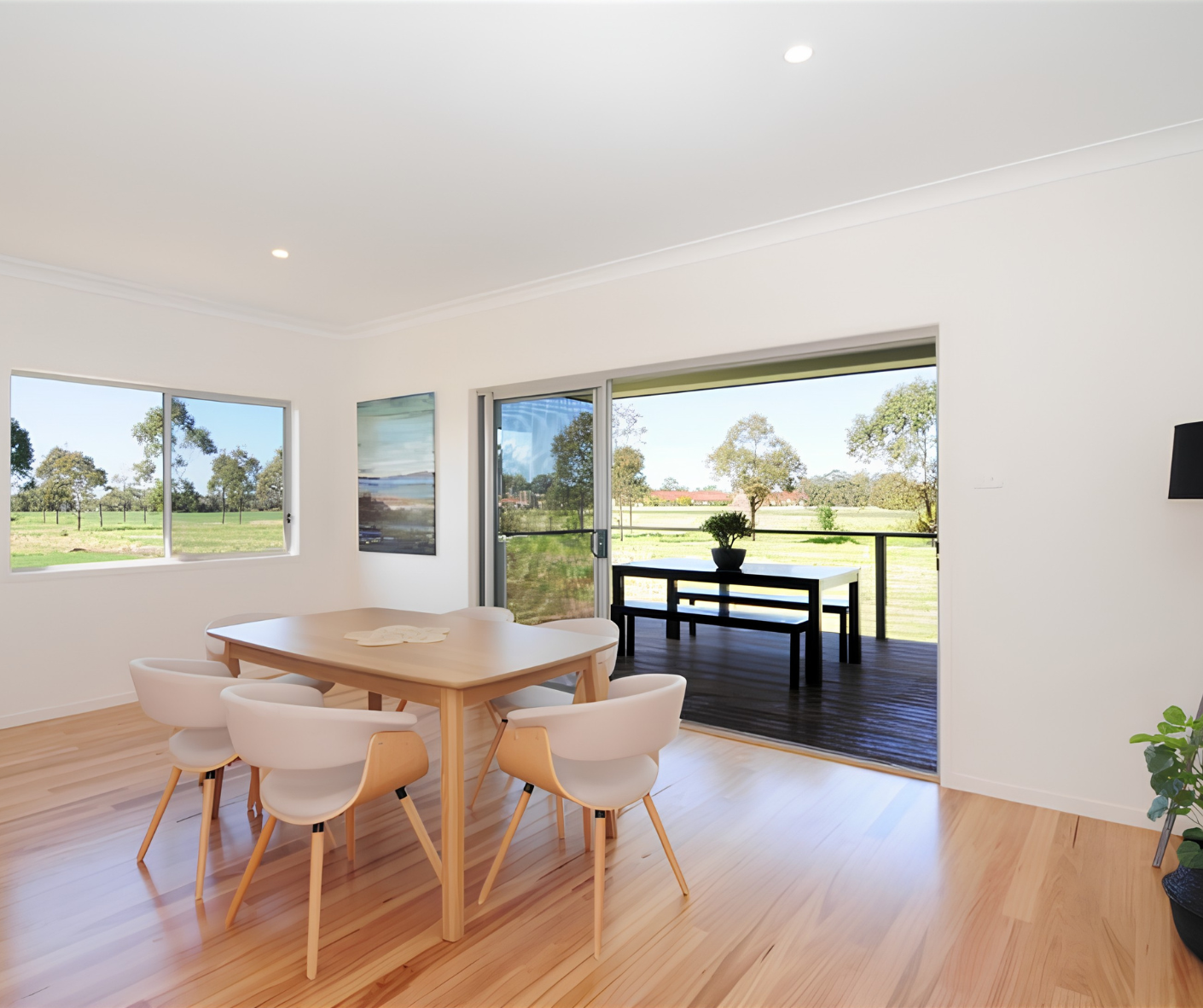
Large sliding or bifold doors, a covered alfresco area, and a seamless floor transition between inside and outside are not luxury features anymore. They are what most Nowra homeowners include when they have the opportunity to design a new living area from scratch.
A good indoor-outdoor connection extends your usable living space without adding a single square metre of roofed floor area. It is one of the highest-value design moves available in a ground floor extension.
Ground Floor Extensions vs. Second Storey Additions
Both options add space. Which one makes more sense depends on your block, your budget, and how much backyard you are willing to trade.
Cost Differences to Think About
Neither option is automatically cheaper. Both depend heavily on your site, your design, and your existing structure. A simple ground floor slab extension on a flat block can be very cost-effective. A ground-floor extension that requires excavation, retaining walls, or significant structural changes to the existing home can become expensive quickly.
The same applies in reverse for second-storey additions. Get specific quotes for your specific property before concluding.
Backyard Space vs Extra Internal Space
Ground floor extensions use land. That is the core trade-off. You gain floor area inside, and you lose some of the outdoor area you currently have. How much that matters depends on how much yard you started with and how much you actually use it.
Second storey additions preserve the backyard. For families with kids who live outside, or properties with pools and gardens that take years to establish, keeping the yard is often worth the additional build complexity.
Construction Disruption During the Build
The idea that one option is always less disruptive than the other is a bit of a myth. A ground floor extension at the back of the home can leave your main living areas largely untouched. But if it connects to the kitchen or main bathroom, expect significant disruption.
Second storey additions require roof access and structural work that affects the whole house. Talk to your builder about which rooms will be most impacted and plan around that, honestly.
Which Option Better Fits Your Lifestyle?
There is no universal answer. Block size, budget, how long you plan to stay, how much yard you want to keep, how many bedrooms you need, and whether you want a deck or a covered alfresco area. All of it feeds into the decision.
The best thing you can do is get concept ideas for both options before you commit to either. A good builder or designer can show you what each looks like on your actual block.
What Affects the Cost?
There is no reliable price per square metre figure that applies to every project. Here are the real cost drivers.
Size, Layout and Level of Finish
Bigger footprints cost more. Complex rooflines cost more than simple ones. High-end finishes, custom joinery, and premium fixtures add up quickly. A straightforward addition with standard finishes on a flat site will always cost less than an architecturally ambitious one on a challenging block.
Foundations, Site Access and Structural Changes
A flat, accessible block with good vehicle access is the easiest site to build on. Sloping ground, limited vehicle access, reactive soil, or the need to demolish existing structures all add cost. If the extension requires removing or modifying existing walls or beams, that structural work adds to the bill.
Plumbing, Electrical and Service Relocation
Adding a kitchen, bathroom, or laundry to an extension is significantly more expensive than adding a bedroom or living space. You are running new water supply, drainage, and electrical circuits, sometimes over long distances from the existing services. This is not a reason to avoid those rooms, but it is a reason to budget for them accurately.
Planning, Engineering and Approval Costs
Architect or designer fees, structural engineering, certifier fees, council application fees, and any consultant reports required by the approval process are all real costs. They are not optional extras. They are part of the project budget and should be factored in from the start.
Approval Steps for a Ground Floor Extension in Nowra
Building without the right approval is a costly mistake. Knowing what the process looks like before you start saves time, money, and a lot of unnecessary stress.
Do You Need a CDC or a DA?
Most ground floor extensions in New South Wales require approval before construction starts. Some projects qualify as complying development, which means they can be approved by a private certifier relatively quickly if they meet a set of prescribed standards. Others require a Development Application through Shoalhaven City Council, which involves a more detailed assessment process.
Which pathway applies to your project depends on the size of the extension, your zoning, and whether your property has any constraints that take it outside the complying development rules.
Why Zoning and Site Constraints Matter
Heritage listings, foreshore proximity, bushfire attack levels, and flood overlays all affect what can be built and what approval process applies. Nowra has a mix of property types and zones, and what is straightforward for one home may not be for the one next door.
Do not assume your project will follow the same path as your neighbour's. Check the constraints on your specific property early.
Documents Homeowners Should Expect
A typical application will require architectural plans, an estimated development cost, the owner's consent, a statement of environmental effects, and, depending on the project, a waste management plan.
If the project triggers other assessments, such as bushfire assessments or engineering reports, those will need to be included as well.
Why Early Advice Can Save Time
Finding out late in the design process that your extension cannot be approved as drawn, or that it needs a full DA when you assumed complying development, is an expensive lesson. A conversation with an experienced local builder, certifier, or designer before you finalise your plans can identify problems while they are still easy to solve.
Design Tips That Help Ground Floor Extensions Feel Seamless
A successful extension should feel like it belongs to the house. It's not like the original home ended and someone attached a bonus room in a hurry. That takes discipline in design, not just a bigger footprint.
Match the Existing Home Inside and Out
The new extension should suit the roofline, materials, windows, and overall style of the existing home. Inside, matching details like flooring, trims, and ceiling finishes can help the whole house feel more consistent.
Bring in More Natural Light
Ground floor house extensions should add light, not leave the middle of the home feeling darker. Skylights, larger windows, and better room placement can help light move through the old and new spaces.
Improve Flow Between Old and New Spaces
The extension should connect naturally to the rest of the home and feel easy to move through. Good flow helps avoid awkward corners, tight walkways, and spaces that still feel disconnected.
Think About Function Before Floor Area
A bigger extension is not always a better one if the layout still feels awkward. Smart planning around daily living, storage, and movement usually matters more than extra square metres.
Common Mistakes to Avoid
Extensions can add serious value, but they can also drift off course when decisions are rushed or assumptions go unchecked. A few common mistakes show up again and again.
Underestimating Approval Requirements
Approval pathways vary by site. One property may suit complying development, while the next may need a DA and extra reports because of local constraints. This is where early checks save a lot of pain. Assumptions are cheap. Revised plans are not.
Giving Up Too Much Yard
It is easy to focus on adding indoor space and forget how much outdoor area you are losing. A good extension should improve the home without leaving the backyard too small to enjoy.
Prioritising Size Over Layout
A bigger extension does not always mean a better result. Good layout, light, storage, and flow often matter more than extra floor area.
Starting Without a Clear Budget Range
Starting design work without a clear budget can lead to expensive changes later. It is smarter to set a realistic range early and test ideas against it.
How to Start Planning Your Home Extension
The first step is not picking tiles. It is getting clear what the household actually needs. That sounds obvious, yet it is where many projects wobble early.
Define What Your Household Actually Needs
Start by working out whether you need more living space, more bedrooms, a better kitchen layout, or easier access. A clear brief helps every later decision make more sense.
Gather Inspiration and Set Priorities
Collect ideas you like, then sort them into must-haves and nice-to-haves. This helps you stay focused when budget and design choices start pulling in different directions.
Speak With a Builder or Designer Early
Early advice can help you test what is possible on your block and what the project may involve. It can also give you a clearer picture of approvals, design limits, and likely budget pressure points.
Compare Ideas Before You Commit
Do not settle on the first concept too quickly. Comparing a few layout options can help you find the one that works best for your home, budget, and yard.
Key Takeaways
A ground floor extension can add space and improve the layout without forcing you to move house. For many Nowra homeowners, that is the main appeal.
The best design depends on your block, your priorities, and how much outdoor area you want to keep. Rear, side, and wrap-around layouts all have their place. House extensions can work especially well for open-plan living, extra bedrooms, home offices, and a better indoor-outdoor connection.
Costs vary based on size, access, structural work, services, finishes, and approvals. This is why early planning matters more than optimistic guessing.
For Nowra properties, approval requirements can differ by zoning and site constraints, and some projects may suit a CDC while others need a DA.
Let Powerbuild Homes Help You Plan Your Extension With You
There is no single right answer for every extension. The best result depends on your lifestyle, your block, and your budget. The best ground floor house extensions are not driven by trends. They are driven by what the household needs, what the block can support, and how well the plan ties everything together.
Powerbuild Homes are your local experts in home extensions and additions, custom homes, and kitchen and bathroom renovations in Nowra, Berry, and Shoalhaven. We help with everything from early advice to council approvals, design, and full construction, so you can move forward with a clearer plan.
Reach out to us to discuss your extension.
FAQs
1. Is a ground house floor extension cheaper than a second storey addition?
- In many cases, a house extension can be more cost-effective because it is often simpler to build and easier to access. However, the final cost depends on your block, the design, the level of finish, and how much structural work is involved.
2. How long does it typically take to complete a ground floor extension?
- A home extension can take several months from planning to completion, depending on the size and complexity of the project. Timeframes can also increase if approvals, weather, or material availability cause delays.
3. Do ground floor extensions in Nowra need council approval?
- Yes, most home extensions will need approval before construction starts. Depending on the project, this may be through a development application or a complying development pathway.
4. Can I live in my home during the extension?
- Some homeowners can stay in the home during the build, especially if the work is limited to one area. If the extension affects key spaces like the kitchen, bathroom, or main living zone, moving out may be more practical.
5. How much value can an extension add to a home?
- A well-designed extension can add value by improving liveability, layout, and usable floor space. The amount of value added will depend on the quality of the build, the local market, and whether the design suits buyer expectations.
6. What rooms are best to include in house extensions?
- Popular options include open-plan kitchen and living areas, extra bedrooms, bathrooms, and home offices. The best choice depends on what your household needs most now and what will add long-term value later.
7. Will an extension reduce too much backyard space?
- It can reduce backyard space if the design is too large or poorly planned for the block. A good layout should balance extra indoor space with enough outdoor area for daily use and lifestyle needs.
8. How do I make a new extension match the existing house?
- Use materials, rooflines, colours, and window styles that complement the original home. It also helps to design the new space so the transition between old and new feels natural inside and out.
9. What affects the cost of ground floor extensions the most?
- The main cost factors are size, design complexity, structural changes, site access, and the level of finishes. Costs can also rise if the project includes kitchens, bathrooms, or major plumbing and electrical work.
10. Is a rear extension or a side extension better for my block?
- A rear extension often works well when there is enough backyard space, and you want to expand living areas. A side extension may suit wider blocks or homes with unused side access, but the best option depends on your site layout and goals.