Modern Steel Frame House Plans: Designs, Costs & Where to Get Them
This guide covers steel framed, modern house plans specifically, what a proper plan package looks like, what you will still need for council approvals, and how to shortlist designs that actually suit Australian blocks and conditions.
House Plans and Steel Frames
A house plan and a steel frame system are two different things. A plan is a set of drawings that describes the building: layout, dimensions, elevations, and sections. A steel frame system is how the structure is built. Sometimes a plan is designed around a specific steel product. Sometimes it is written to suit either timber or steel framing, with engineering to follow.
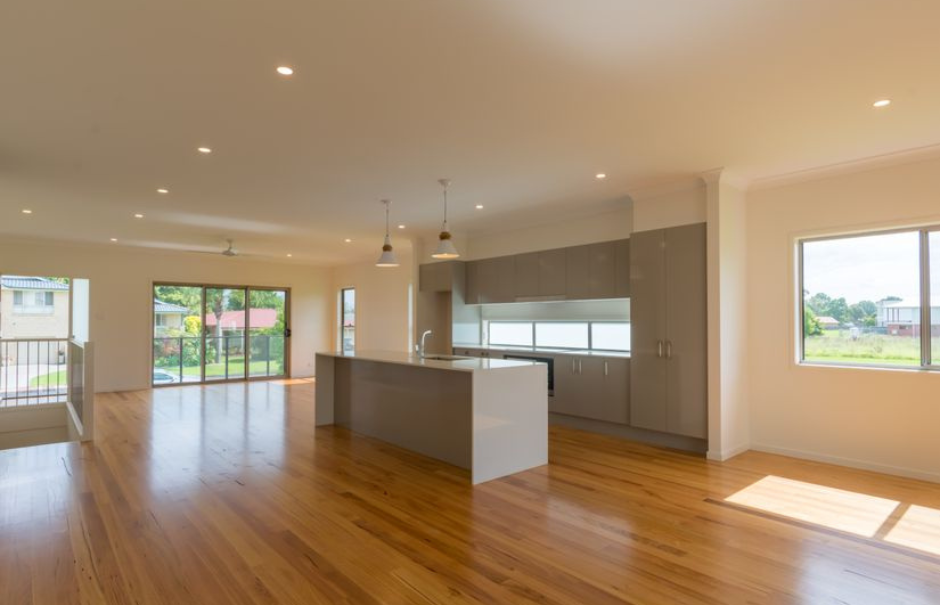
In plain terms, "modern" usually points to a few consistent traits: an open-plan living area with generous glazing, a flat or low-pitch roof form, clean facades with minimal decoration, and indoor-outdoor connections that make the most of the site. The floor plan layout and the facade treatment are what most buyers are reacting to when they call something "modern."
Watch for whether a plan is described as steel-specific or steel-ready. Steel-specific means the drawings reference a nominated framing system and may include structural notes tied to that product. Steel-ready means the layout suits steel construction, but the engineering is a separate step. Both are fine, but they have different implications for cost and documentation.
Architectural Plans vs Structural and Engineering Drawings
An architectural set gives you the floor plans, elevations, sections, window schedules, and basic specification notes. It is enough to understand the design and get a rough cost estimate from a builder. It is not enough to get a building permit.
Structural and engineering drawings cover the framing layout, bracing scheme, connection details, and load paths. For steel framing, this typically means a separate set prepared or certified by a structural engineer. Many plan libraries sell the architectural set only. The engineering comes later, from a licensed engineer who reviews your specific site conditions.
Understanding this split saves a lot of frustration. The plan you buy is a starting point. What gets approved is the full documentation package, including engineering, energy compliance, and site-specific details.
What Is Usually Included in Modern Steel Frame House Plans
Most plan sets cover the architectural basics. Here is what to expect in a standard package:
- Floor plans with room dimensions and basic layout notes
- Elevations (front, rear, and both sides in a complete set)
- Roof plan showing drainage direction and basic form
- Sections through key areas such as living zones and wet areas
- Window and door schedule (varies by provider)
- Basic material notes or a short specification outline
- Site plan allowance, though this usually needs customisation for your block
What's Commonly Extra
These items are rarely included in a standard plan purchase. Budget for them separately:
- Engineering certification and structural drawings
- Site-specific slab and footing design
- Energy efficiency report (NatHERS or equivalent)
- Stormwater plan
- BAL (Bushfire Attack Level) assessment and construction notes
- Wind rating compliance documentation
- Council-specific documentation requirements, which vary by state and site
Plan File Formats: PDF vs CAD
PDF Plans
PDF is the most common format for purchased plan sets. They are easy to share with builders for quoting and simple to review without specialist software. They cannot be edited without returning to the original designer.
CAD Files
CAD files, usually in DWG format, allow your engineer or builder to work directly from the drawings. They cost more and often come with licence restrictions on sharing and modifications. If changes are likely, ask upfront whether CAD files are available and what the licence permits.
Popular Layout Types in Modern Steel Framed Houses
Steel frame construction suits a wide range of layout types. Knowing which plan category fits your block and lifestyle saves time and avoids costly mismatches.
Single-Storey Modern Steel Frame House Plans
Single-storey designs suit families on wider blocks, downsizers, and anyone who wants simpler construction and easier site access. Look for plans with wide open living zones, fewer internal columns, and clear notes confirming which walls are load-bearing.
Double-Storey and Compact Footprint Plans
Double-storey plans work well on smaller blocks and for households that want clear separation between living and sleeping zones. Check stair placement in the drawings and confirm how upper floor loads transfer to the lower frame before committing.
Split-Level and Sloping Site Plans
Split-level plans work with a sloping site rather than against it, which reduces cut-and-fill costs and can improve views and natural light. Before committing, confirm how much cut and fill the plan assumes, whether retaining walls are included, and how site access is handled.
Narrow Lot, Duplex, and Granny Flat Plan Options
Narrow lot and
multi-dwelling plans open up more options for constrained blocks, but each type carries its own planning rules that vary between councils and states. Always confirm setbacks, minimum block widths, and any overlay requirements for your specific zone before purchasing a plan.
Steel-Specific Checks to Make Before Buying
Most people buy a plan based on how it looks. These checks help you confirm whether it is the right plan for how it will actually be built.
Does the Plan Clearly State It Suits Steel Framing?
Some plans are drawn generically and need an engineer to interpret them for a steel framing system. A plan written for a specific steel product will usually include notes or details that make the engineering process faster and clearer.
Span Assumptions
Steel can carry longer spans than timber in many configurations, which reduces the need for internal columns. Longer spans also mean larger section sizes and more connections to detail, so confirm the structural approach is documented or that an engineering pathway exists.
Bracing and Structural Walls
Open-plan living areas still need bracing elements to resist wind loads, and these elements have to sit somewhere in the design. If the plan shows floor-to-ceiling glazing across multiple sides, ask where the bracing comes from before you commit.
Large Glazing and Thermal Comfort
Extensive glazing in Australian climates needs adequate shading to perform well. Check that the plan shows eave depths or shading devices, particularly for north-facing glazing, and that thermal performance is at least acknowledged in the documentation.
Quick Red Flags in Plan Listings
A plan listing that looks good on screen can still signal problems in the documentation. Watch for these warning signs before you buy.
If the listing does not clearly state what drawings are included, assume the least. A legitimate plan package will always have a drawing schedule or an inclusion list you can review before purchase.
Check whether the listing states what site conditions the plan was designed for. A plan with no mention of wind category, BAL rating, or site assumptions may need significant rework for coastal, high-wind, or bushfire-prone sites.
Watch for wording like "concept only" or "for marketing purposes." Concept plans are useful for early design discussions but are not build-ready and often lack the dimensions, sections, and specification notes needed to proceed with a builder or council.
Customising Your Plans for a Steel Framed House
Customisation is possible in most cases, but the scope depends on what you want to change. Here is a general guide to what is typically straightforward and what is not.
Easy Tweaks
Minor internal layout adjustments are usually manageable without triggering a full re-engineering exercise. Moving non-structural walls between rooms, relocating internal doors, and making small window position changes within the same structural opening are common examples.
Usually Harder
Changes that affect the structural grid take more time and cost more to resolve. Moving load-bearing walls or columns, adding large cantilevers, and altering the roof form often require partial or full re-engineering before the drawings can proceed.
Working With Steel Frame Suppliers and Builders
Steel frame suppliers and builders with curated plan ranges often have a clearer revision process because they know how their system works with specific configurations. Always confirm the customisation scope and any associated costs directly with your provider before purchasing.
Questions to Ask the Plan Seller or Designer
Getting clear answers before you buy saves time and avoids surprises later. Ask these questions before handing over any money.
"Is this plan engineered for a specific steel system?"
This tells you whether structural documentation is already tied to the plan or whether engineering is a separate step you will need to organise and fund after purchase.
"What changes are allowed under the licence?"
Some plan licences restrict how much the drawings can be modified and who can modify them. Knowing this upfront tells you whether the plan can realistically work for your block and brief.
"What is included for approvals in my council area?"
Plan packages vary widely in what they cover for building approval. Confirming this early tells you exactly what additional documentation you will need to budget for before you can start construction.
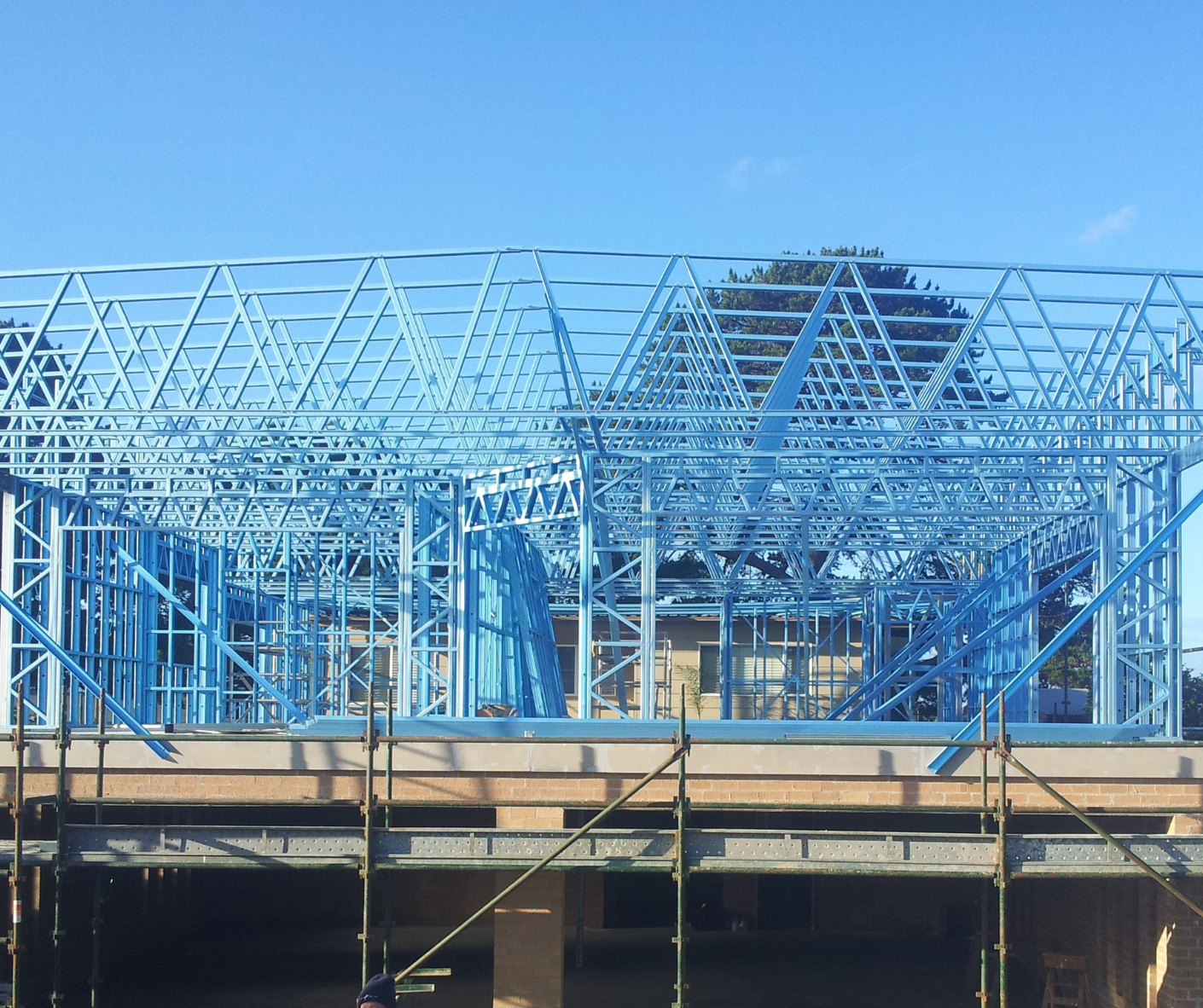
What a Steel Frame Modern House Typically Costs
The modern steel frame house and the build cost are two completely different numbers. Understanding the difference early prevents budget surprises down the line.
Plan Cost vs Build Cost
A plan set is just the documentation needed to describe and approve the building. Build cost is what it takes to actually construct it, and that figure is influenced by your site, your builder, material costs, and current market conditions. Comparing plan prices without factoring in total documentation and build costs gives you an incomplete picture.
Common Plan Price Factors
Plan prices vary based on several factors:
- Overall size and complexity of the design
- Number of elevations and drawing sheets included
- Level of specification detail in the package
- Whether CAD files are included or available as an add-on
- Whether the plan includes engineering or a nominated engineering pathway
Extra Documentation Costs to Budget For
The plan purchase is rarely the only documentation cost. Depending on your site and council requirements, budget separately for:
- Site-specific engineering and structural certification
- Energy efficiency report (NatHERS or equivalent)
- Geotechnical investigation, if required
- Stormwater and drainage plan
- Council application fees
- Any additional consultant reports your local authority requires
Where to Start for a Steel Frame House
There are three main pathways for organising your modern steel-framed houses in Australia. Each comes with different trade-offs across cost, flexibility, and documentation completeness.
1. Plan Libraries
Plan libraries offer purchase-ready plan sets that can be downloaded or ordered quickly. They suit standard blocks and buyers who need to move fast, but plans are not tailored to your site, and inclusions vary widely between providers.
2. Architect or Building Designer
An architect or building designer provides custom documentation built around your specific block, brief, and local approval requirements. Cost is higher, but you get drawings that are site-specific and less likely to need significant supplementary documentation for approval.
3. Builders and Steel Frame System Suppliers
Builders and steel frame suppliers with curated plan ranges offer designs developed around a specific construction system. This can simplify engineering and procurement, but design flexibility is more limited compared to a fully custom approach.
Not all plan sources offer the same value for your situation. Before committing, compare inclusions, licence terms, revision limits, and the level of post-sale support available if questions arise during approvals or construction.
Prefab and Modular Plan Catalogues
Prefab and modular options are worth considering for the right site and budget. They work differently from standard plan purchases and suit a specific type of buyer.
Prefab and modular options bundle the plan with the construction system, meaning the drawings assume a specific manufacturing process and delivery method. The design is tied to a particular supplier, so it is not a plan you can take to any builder.
These options work well on sites with difficult access, steep terrain, or where construction timeline certainty is a priority. They are less suited to buyers who want design flexibility or who need to separate the plan from the build contract.
How to Choose the Right Modern Steel Framed Houses
Choosing the right plan takes more than finding a design you like online. Following a clear sequence avoids the most common and costly mistakes.
1. Measure Your Block Constraints
Start with your block dimensions, slope, orientation, easements, and setbacks before you look at a single plan. A design that does not fit your site constraints will need rework, regardless of how good it looks.
2. Shortlist 3 to 5 Plans That Match Your Setbacks and Lifestyle
Narrow your options to plans that fit within your block constraints and reflect how you actually want to live. Keeping a shortlist of 3 to 5 prevents decision fatigue and gives you enough options to compare properly.
3. Check Inclusions and What Is Missing for Approvals
Review the drawing schedule for each shortlisted plan and identify what is included versus what your council and state require for building approval. Knowing the documentation gaps early tells you what additional costs to expect.
4. Confirm Steel Compatibility and Engineering Pathway
Check that each plan clearly suits steel framing or has a documented pathway for engineering certification. A plan without a clear structural approach will need extra time and cost to resolve before approvals can proceed.
5. Get Preliminary Pricing From a Builder or Supplier
Take your shortlisted plans to a builder or steel frame supplier for a preliminary cost estimate before committing. This step confirms whether the design is achievable within your budget before you spend money on documentation.
6. Purchase the Plan Set or Proceed to Custom Documentation
Only purchase the final plan set after completing the steps above. Buying a plan before validating site fit, inclusions, and budget is the most common mistake buyers make.
Common Mistakes People Make
These are the common mistakes that cost buyers the most time and money.
Not checking block orientation before shortlisting is one of the most common errors. A design with north-facing glazing becomes a problem if the north faces a boundary or a neighbour's wall.
Sloping blocks carry site costs that flat land does not. Retaining walls, cut-and-fill, and elevated floor systems add real money, so always get a site evaluation before finalising a plan.
Most plans labelled "steel frame" do not include full structural engineering. Engineering is a separate scope and a separate cost that cannot be skipped on the way to building approval.
Choosing a plan based on the render rather than the documentation is an easy trap. A complete plan package with clear inclusions is worth far more than a striking facade image.

Start Your Steel Frame Home With Powerbuild Homes
Modern steel frame house plans can deliver the look and the structural confidence you are after. The key is making sure the plan package matches your site, your budget, and your approval requirements before you commit.
If you are ready to move forward, Powerbuild Homes can help. Whether you are planning a custom home, a duplex or multi-dwelling project, or need steel house frames for your build, the team has the experience to guide you from plan selection through to construction.
Get in touch with us today to discuss your project and find the right plan for your block.
Key Takeaways
Modern steel frame houses vary hugely in what is included. Always check the documentation list and drawing schedule before you buy.
Many designs shown online are concept renders, not build-ready plan sets. Approvals almost always require extra documentation beyond what comes with a standard plan purchase.
The best steel frame plan is not the one that looks best on screen. It is the one that fits your block constraints and has a clear engineering pathway from drawings to approval.
Shortlist first, verify compatibility second, and purchase last. That sequence alone will save you time, money, and a lot of unnecessary back-and-forth.
FAQs
1. What’s included in a modern steel frame house, and what’s usually extra?
Most plan sets include floor plans, elevations, sections, and basic dimensions and notes. Engineering, site-specific slab and footing design, energy reports, and council documents are usually extra.
2. Are steel-frame house plans different from timber-frame plans?
The layout drawings can look the same, but the structural detailing can be different. Steel framing often needs a specific bracing and connection approach that may require separate engineering.
3. Can I buy a modern steel frame house online and build anywhere in Australia?
You can buy plans online, but you still need them checked against your site and local rules. Wind rating, bushfire requirements, and council conditions can change what is needed.
4. Do I need an engineer if I already have a steel frame plan?
In most cases, yes, because your site and local conditions must be certified. Many “steel frame plans” still need an engineer to confirm compliance and produce approvals-ready documents.
5. Can I customise a steel frame modern house without starting from scratch?
Yes, many plans can be adjusted with minor layout changes and window updates. Bigger changes often trigger re-engineering and can add time and cost.
6. What should I look for in drawings to confirm the plan suits steel framing?
Check for a clear statement that the plan is designed for steel framing or a nominated steel system. Look for bracing and structural notes or a pathway that explains how engineering is supplied.
7. Are modern steel-framed houses better for open-plan layouts and large spans?
Steel can support wider spans and fewer internal supports in some designs. The outcome still depends on engineering, roof design, and budget.
8. What are common plan “red flags” that indicate it’s only a concept design?
The listing is vague about inclusions and does not provide a document list or drawing schedule. It also avoids approval language and says “concept only” or “for marketing purposes”.
9. How much do house plans cost compared to full design + approvals documentation?
Purchased plans are usually cheaper because they are not tailored to your site or council requirements. Full design and approvals documentation costs more because it includes site-specific work and consultant inputs.
10. Do prefab/modular companies provide complete plan sets for approvals?
Some do, but it varies by provider and package level. You should confirm what is included for your site, and who supplies the engineering and certifications.