Home Renovation in Australia: The Complete Guide
You're standing in the kitchen with a coffee in your hand, looking at the same dated cabinetry and uneven floor for the thousandth time, wondering whether it's finally time to do something about it. Or maybe it's the bathroom, the hallway that's too narrow or the laundry that's barely a cupboard. Whatever the room, the thought is the same: this house could be so much better.
A home renovation is one of the most rewarding things you'll ever do to a property, and one of the most easily mishandled. Done well, it transforms how you live in a home and protects what the property is worth. Done badly, it blows out in cost, drags on for months longer than it should and leaves you with finishes you'll be replacing again in five years.
This guide is for anyone at the start of that journey, whether you're still deciding whether to renovate or ready to ring a builder. We'll walk through what a renovation actually involves, how to plan one properly, what approvals you'll need in NSW, the order trades work in and how to choose someone you can trust to manage the whole thing.
What Is a Home Renovation?
A home renovation is any project that updates, refreshes or transforms an existing home, from repainting walls and replacing fixtures right through to gutting the entire interior and reconfiguring the layout. It sits between simple maintenance work at one end and an entirely new build at the other. The word "remodel" gets used a lot in American shows, but in Australia the term "renovation" covers the same ground.
At Powerbuild Homes, a family-run renovation builder based in Nowra with over 25 years on the South Coast,
we see the full spectrum every year. Some clients want a cosmetic refresh to lift a tired house before selling. Others are tearing out load-bearing walls, replacing roofing and rebuilding services from scratch. Both are renovations. The size of the project and the trades involved are what set them apart.
The Main Types of Home Renovation
Knowing which type of renovation you're undertaking matters because it shapes everything that comes next: how much it will cost, how long it will take, what approvals you need and which trades will be on site. Most projects fall into one of four categories.
Cosmetic Renovation
The lightest touch. Cosmetic work usually means fresh paint, new flooring, updated light fittings, new tapware, maybe new cabinet handles. No walls are moved, no services are altered, and approvals are rarely needed. It's a good option when the layout works for you but the finishes have dated. Painters, flooring trades and the occasional handyman are the main people on site.
Partial or Room-by-Room Renovation
Targeting one room (or one zone) at a time. A kitchen renovation, a bathroom gut and refit, redoing a laundry, converting a study. The scope is contained but the trades involved are heavier: plumbers, electricians, tilers, cabinetmakers, plasterers. Some partial renovations need approval, depending on whether you're moving services or altering structure.
Whole-Home Renovation
The full interior overhaul. Floor plan is reconfigured, services are upgraded throughout, kitchen and bathrooms are redone, fittings are replaced, and the home is brought up to a single cohesive standard. Whole-home renovations almost always require either a Development Application (DA) or Complying Development Certificate (CDC) and they involve every trade that builds a new house. The reward is a property that feels new without the price of demolishing and starting over.
Structural or Heritage Renovation
The most complex type. Load-bearing changes, second-storey additions, major footprint extensions or work on older homes with heritage overlays. These projects involve engineers, building designers or architects, and council heritage advisers in some cases, and the approval pathway is the longest. They are also the most rewarding when handled by an experienced builder, because you're often restoring something with character that simply can't be replicated in a new build.
| Type | Typical Scope | Trades Involved | Approvals | Typical Timeline |
|---|---|---|---|---|
| Cosmetic | Paint, flooring, fixtures, lighting | Painters, flooring, handyman | Rarely | 1 to 4 weeks |
| Partial / Room-by-room | One room gut and refit | Plumbers, electricians, tilers, cabinetmakers | Sometime | 3 to 8 weeks |
| Whole-home | Full interior overhaul, services upgrade | All residential trades | Almost always | 6 to 12 months |
| Structural / Heritage | Load-bearing changes, extensions, heritage work | Engineers, designers, all trades | Always | 9 to 18 months |
Should You Renovate, Extend, or Move?
Before you commit to a renovation, it's worth asking whether it's the right move at all. The honest answer for some homeowners is to extend instead and occasionally the right answer is to sell and buy somewhere else. It's also worth being honest about your motivations: if resale value is driving the project, not every renovation lifts a property's value, and that's worth understanding before you spend.
A few questions worth sitting with:
- Does the current footprint work for the way your family lives now and will live in the next five to ten years?
- Are you happy with the location, the block and the neighbourhood?
- Is the existing structure sound, or are you fighting against decades of patch jobs and poor original construction?
- Is the cost to renovate going to come anywhere close to the cost to move?
If the location is right, the bones are good and the project scope is manageable, renovating is almost always the smart play. That's where our work begins, helping you take a home you already love and make it work properly for the next twenty years.
How to Plan a Home Renovation
The planning phase is where successful renovations are won or lost. Most of the horror stories you hear, blown budgets, projects that drag on, finishes nobody is happy with all trace back to thin planning at the start.
Start With the Scope
Scope creep is the single biggest cause of budget blowouts and timeline delays in residential renovation. The fix is to define what you're trying to achieve before you talk to anyone. Write it down: what's broken about the current home, what you want to change, what's a must-have and what's a nice-to-have you can drop if the budget tightens.
This list becomes the brief you bring to a builder. The clearer it is, the more accurate your quote will be and the fewer surprises you'll hit during construction. We cover this in more depth in our renovation checklist post.
Budgeting Your Renovation
We won't put a dollar figure on your project here, because honest builders don't quote without seeing the home. What we can tell you is what drives the cost: the scope of the work, how much structural change is involved, the quality of materials you choose, trade availability at the time you build and how easy the site is to access for delivery and machinery.
Whatever your budget number is, build in a contingency buffer of at least 10 to 15 per cent. Older homes especially have a way of surfacing surprises once walls come down and you want the financial room to handle them without compromising the rest of the project.
Online estimate calculators are a starting point, not an answer. A detailed written quote from a licensed builder, after a site visit and proper scoping, is what tells you the real number. Think of that first builder consultation as the smart starting move, not a last step.
Assembling the Right Team
A typical renovation team looks like:
- A licensed, insured builder (ideally with strong local subcontractor relationships)
- A building designer or architect, if you're making structural changes or extending
- A certifier or council contact for approvals (a good builder can point you to trusted people here)
For smaller cosmetic or single-room renovations, a single licensed builder who manages the trades directly is usually all you need.
Expert tip from Jeff Power, Director, Powerbuild Homes
"In 25-plus years of delivering renovations across the Shoalhaven, the single biggest predictor of a smooth project is a well-defined scope before the quote is signed. Changes during construction are expensive and disruptive."
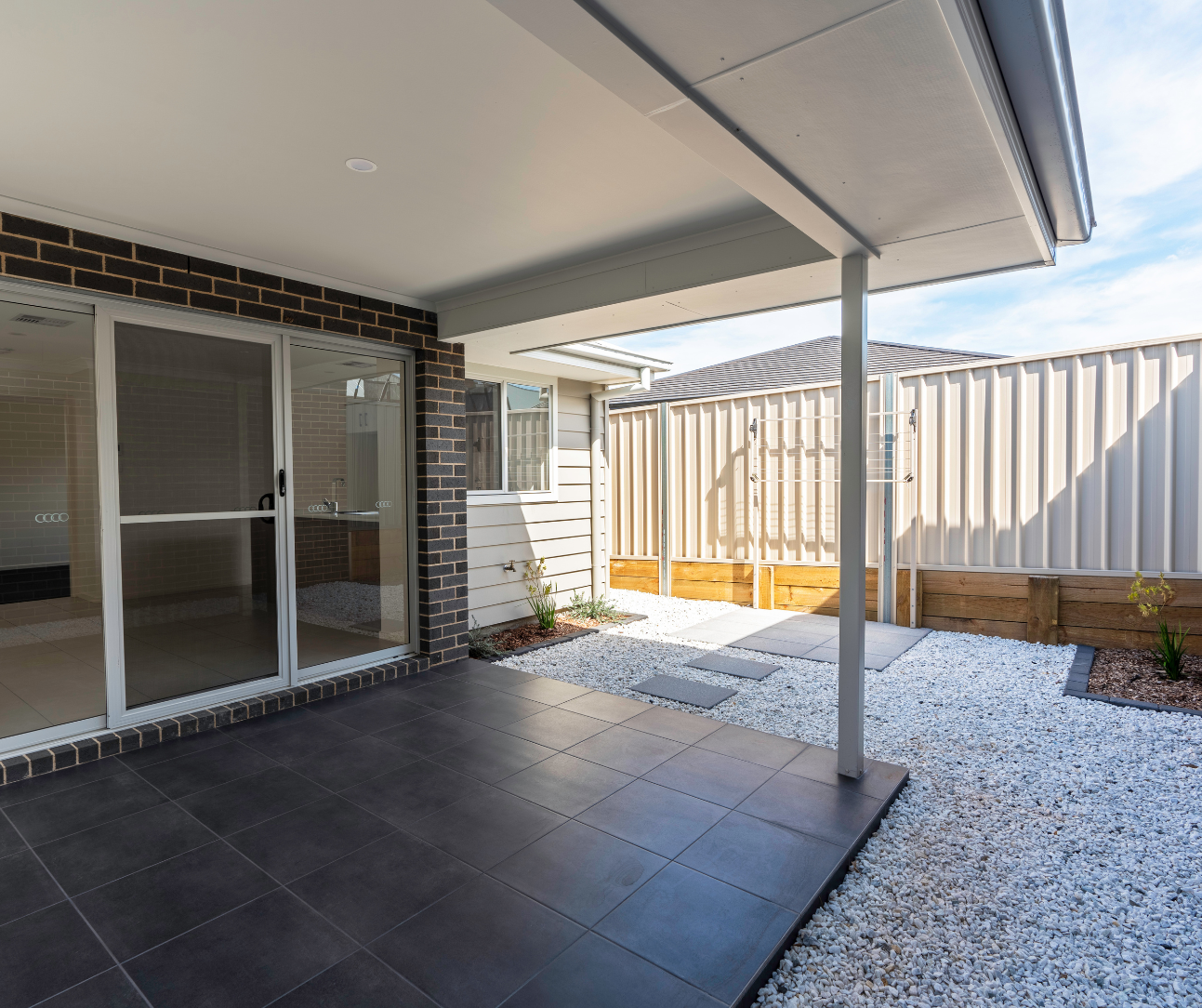
Building Approvals for Home Renovations in NSW
Approvals are not optional and getting them wrong is one of the more expensive mistakes you can make. In NSW, residential renovation work generally follows one of two pathways.
Development Application (DA)
A DA is lodged with your local council and is required when the work doesn't meet the standards for complying development. It involves a full assessment by council planners, often with public notification and timelines vary from a few weeks to several months depending on the council and the complexity of the project. Heritage overlays, flood zones and bush fire prone land all add scrutiny.
Complying Development Certificate (CDC)
A CDC is the faster pathway. It applies when your renovation meets pre-set standards under the State Environmental Planning Policy. CDCs are assessed by private certifiers and turnaround is generally much quicker than a DA. Many partial and whole-home renovations qualify for CDC if they stay within set parameters for setbacks, height and footprint.
What Doesn't Usually Need Approval
Cosmetic work (paint, flooring, replacing fixtures), minor internal work, and like-for-like repairs typically don't need approval. The catch is that "minor" varies between councils and can change with state legislation, so it's worth checking before you start any work that touches structure or services.
A few things that nearly always need approval:
- Removing a load-bearing wall
- Adding or relocating a wet area (kitchen, bathroom, laundry). Kitchen renovations specifically have their own permit nuances in NSW.
- Extending the building footprint
- Replacing a roof in a way that changes the height
- Any work on a heritage-listed property or in a heritage conservation area
A few things that usually don't:
- Repainting
- Replacing flooring without altering subfloor structure
- Like-for-like replacement of taps, lights, or appliances
- Re-tiling without altering wet area waterproofing
In NSW, you'll also encounter the Home Building Compensation Fund (HBCF) requirement. Any residential building work over $20,000 in NSW requires the builder to provide HBCF insurance, which protects you if the builder becomes insolvent, dies or disappears before completing the work. Your builder should produce evidence of HBCF cover before accepting a deposit. If they can't, that's a red flag.
We don't lodge applications ourselves, but we'll point you to trusted certifiers and designers we've worked with for years and we'll make sure your scope is approval-ready when it gets there.
The Home Renovation Process: What to Expect
Renovations move through four broad phases. Understanding the rhythm of these helps you plan your life around the project and recognise normal milestones from unusual delays.
Consultation and Scoping
The first conversation. You meet with the builder (in our case, that's Jeff), walk through the home, talk through your scope, your budget reality and what's actually possible on your block. A good builder will be honest at this stage about what works and what doesn't. If a budget is going to be tight for what you want, you want to hear that early, not after plans are drawn.
Design and Approval Phase
For anything beyond cosmetic work, this is where a building designer or architect comes in to produce drawings. Plans then go to a certifier (for CDC) or council (for DA), and the timeline depends on the pathway. This phase can add weeks or months to your total project length, and it's worth using the wait productively to lock in finishes and confirm trades.
Construction Phase
This is where the trades arrive and the work happens. There's a clear order to it and getting it right is the difference between a smooth build and an expensive mess:
- Demolition. Removing what's being replaced, set-out, site preparation.
- Structural work. Framing changes, new openings, load-bearing modifications, any extension footprint.
- First-fix services. Plumbers and electricians rough in pipes and wiring inside open walls. This must happen before lining goes on.
- Insulation and lining. Insulation batts go in, then plasterboard, then setting and sanding.
- Wet area waterproofing and tiling. Waterproofing must comply with AS 3740 in NSW and is done by a licensed installer before tiling.
- Second-fix services. Fit-off of tapware, power points, light fittings, switchboards.
- Cabinetry, fit-off, and finishes. Kitchen and bathroom installation, painting, flooring, final fixtures.
- Final walkthrough and defects. Punch list of any last items to address before handover.
Work out of order and you'll pay to undo it. A licensed builder who's done this hundreds of times keeps the sequence tight and the trades coordinated.
Completion and Handover
Final inspections, occupation certificate (where required), defect period and handover. The defect period is when you live with the work for a set time and any issues that emerge get rectified under warranty. With us, Jeff is on site daily during the build, so you're updated in real time rather than chasing email replies and we're around well after handover if anything needs attention.
Considerations Specific to Australian Homes
A few site-specific factors come up in renovations here that rarely get airtime in overseas content but matter a great deal in practice.
Older Homes and Hazardous Materials
Important: Hazardous materials in pre-1990 homes
Australian homes built or renovated before 1990 commonly contain asbestos in fibro cladding, eaves, ceiling tiles, vinyl flooring and pipe insulation. Lead-based paint is also common in pre-1970 homes and CCA-treated timber was widely used before 2006. None of these materials can be safely disturbed without licensed removal under Safe Work Australia requirements. Any responsible builder will arrange a pre-demolition hazardous materials survey before tools come out, not after.
It isn't a scare tactic, just the reality of renovating older Australian housing stock. We surface it early in every project so it's costed properly and handled by the right specialists, not discovered by a surprised tradie three days into demolition.
[Future cluster post: "Renovating an Old Home: Ideas and Considerations for Australian Houses" - link when live]
Frame Choice: Steel vs Timber
When your renovation involves structural work or an extension, you'll face a decision most homeowners don't realise they have: steel or timber framing. For coastal and bushland properties like much of the Shoalhaven, the choice matters more than it does in other parts of Australia.
Steel frames are termite-resistant (which is a real consideration anywhere with bushland nearby), they don't warp, shrink or twist over time, they're non-combustible (a meaningful factor in bush fire prone areas) and they're 100 per cent recyclable. The upfront cost is higher than timber, but the long-term performance and reduced maintenance often outweigh that.
We've been building with steel frames for almost 20 years, well before it became a mainstream choice, because the case for it on the South Coast has always been strong. If you want a closer look at the trade-offs, our deep dive on whether steel frame houses are a good fit for Australian homes walks through it in detail. Whether you go steel or timber, it's a decision worth properly discussing with your builder before plans are finalised.
Climate and Site Conditions
The South Coast adds a few site-specific considerations to any renovation. Salt air affects fixtures, fittings and cladding more aggressively than inland areas, so material selection matters. Bush Fire Attack Level (BAL) ratings apply to many blocks in the Shoalhaven LGA and dictate everything from window glazing to deck construction. Parts of Nowra, Bomaderry and the lower Shoalhaven also fall under flood overlays that affect what you can do at a property and what approvals you'll need.
A good local builder will already know the site-specific requirements for your block. That local knowledge saves you from designing a renovation that won't get past council.
Home Renovation Ideas: What Most Renovations Include
Most of the home renovation ideas we see clients arrive with fall into a handful of common categories. If you're still scoping your project, this is a useful overview of where most renovation budgets land.
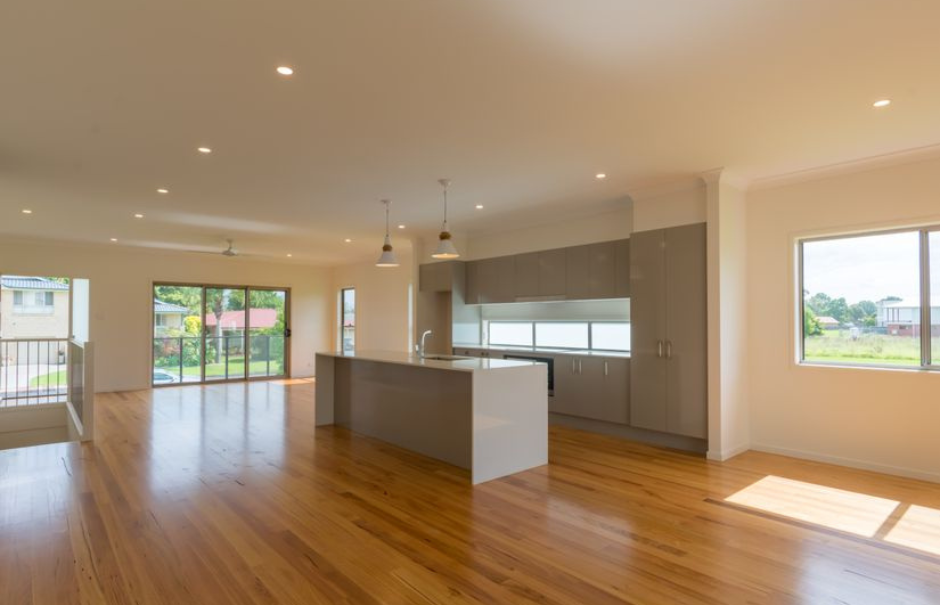
- Kitchen renovation. The most impactful renovation for daily life and resale value. New layout, cabinetry, benchtops, appliances and services. A well-planned kitchen renovation is often the project that unlocks the rest of the house.
- Bathroom renovation. Full waterproofing under AS 3740, new fixtures, tiling, layout changes. Waterproofing in NSW must be done by a licensed installer and it isn't the part to cut corners on. Our step-by-step bathroom renovation planning guide walks through the full process if you're at the planning stage.
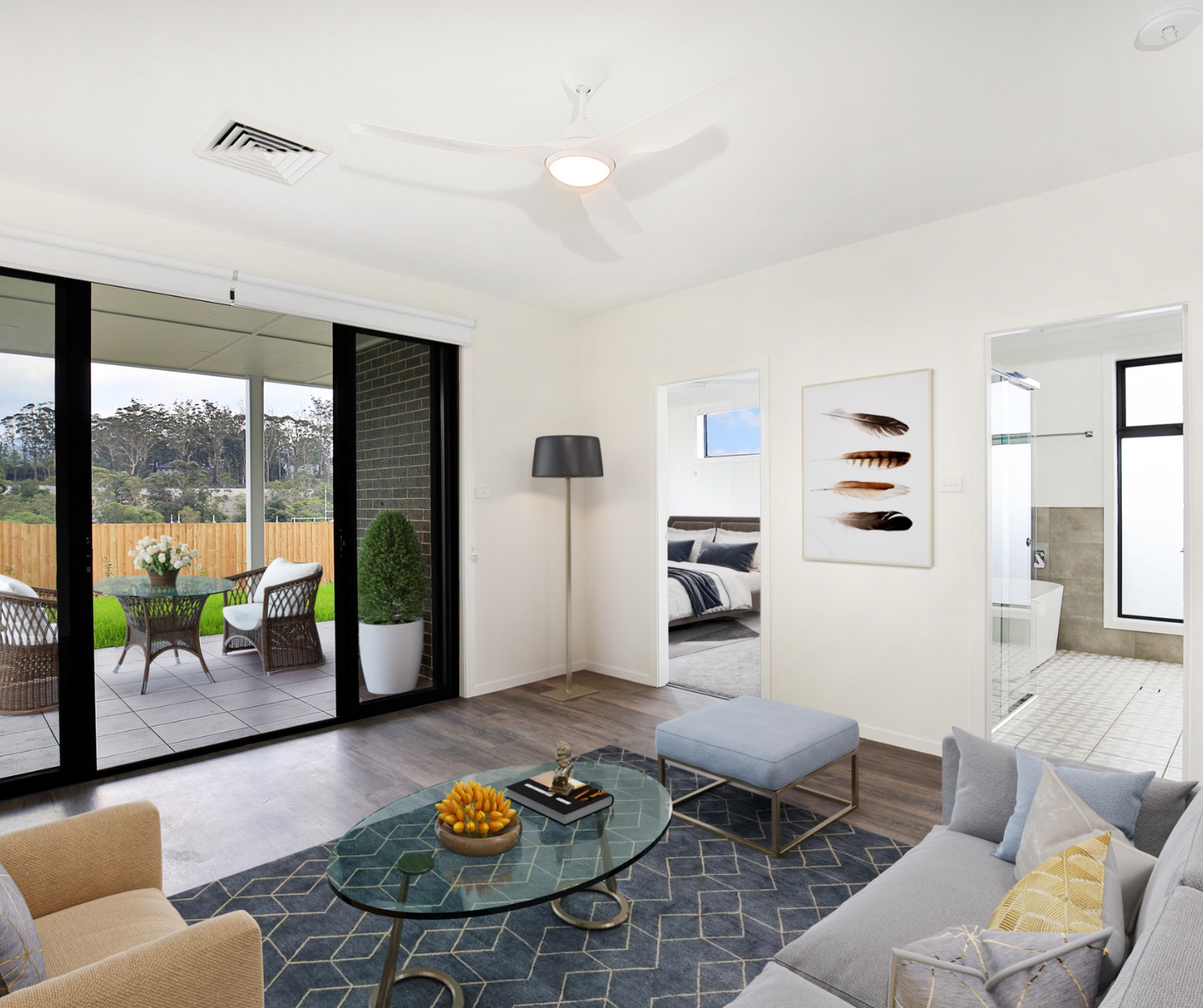
- Living areas and open-plan reconfiguration. Removing walls (load-bearing or otherwise) to open up flow, improve natural light and create the indoor-outdoor connection most modern homes are built around.
- Extensions and additions. Adding a bedroom, a granny flat, a second living area or extending into the backyard. This is where renovation crosses into extension territory and where structural decisions like framing become important. If you're not sure whether your block can support an extension at all, our guide on what you need to know before building an extension is a useful starting point.
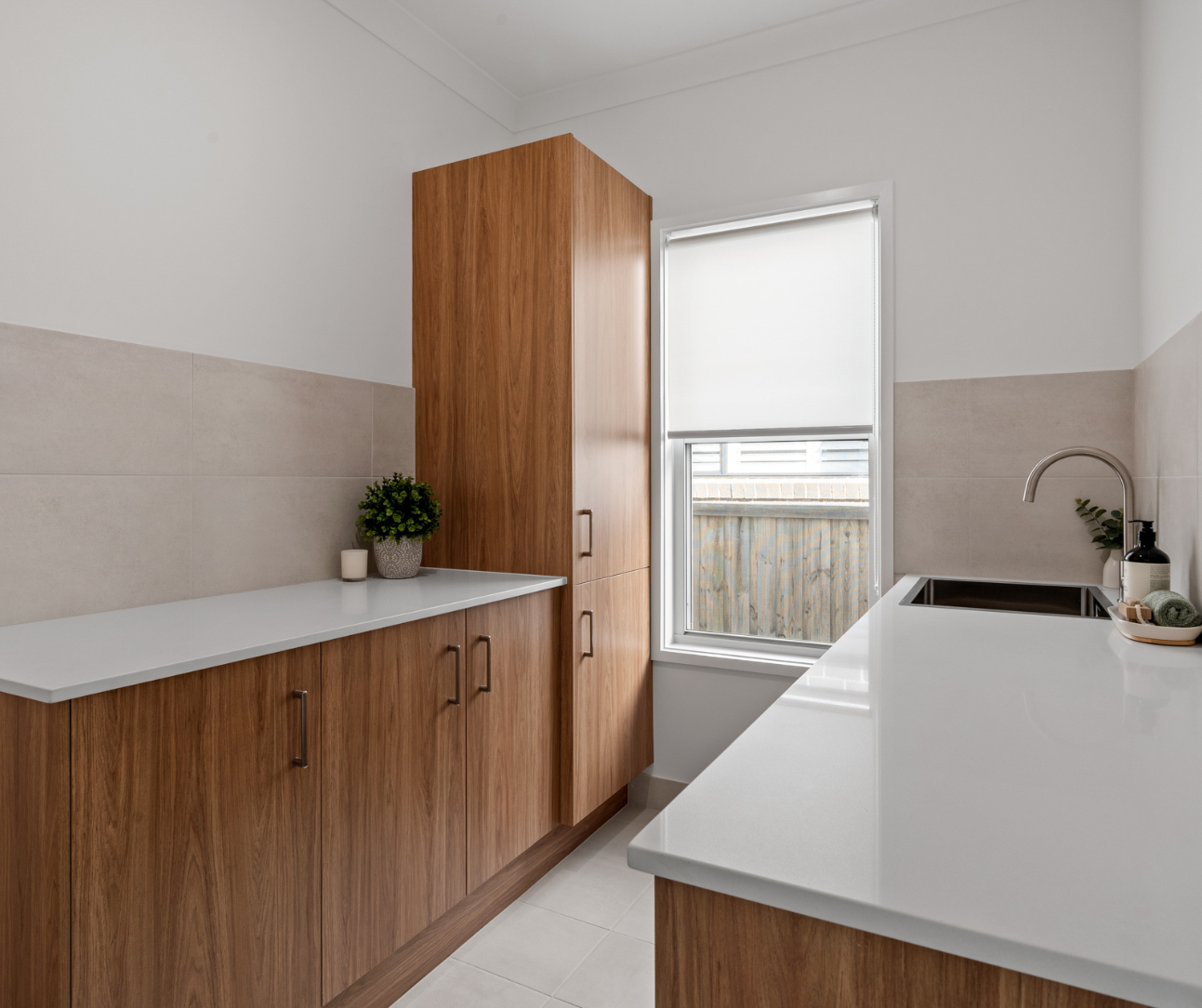
- Laundry, mudroom and storage. Often overlooked, but small upgrades here disproportionately improve daily life. A good laundry is one of the most underrated home renovation ideas Australia-wide.
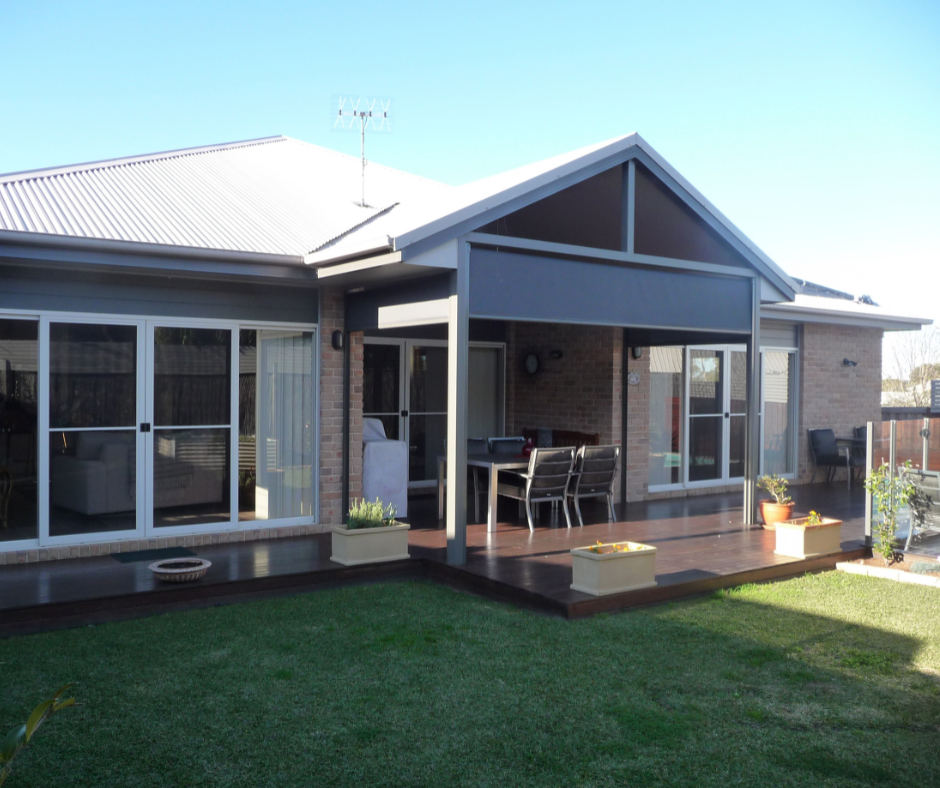
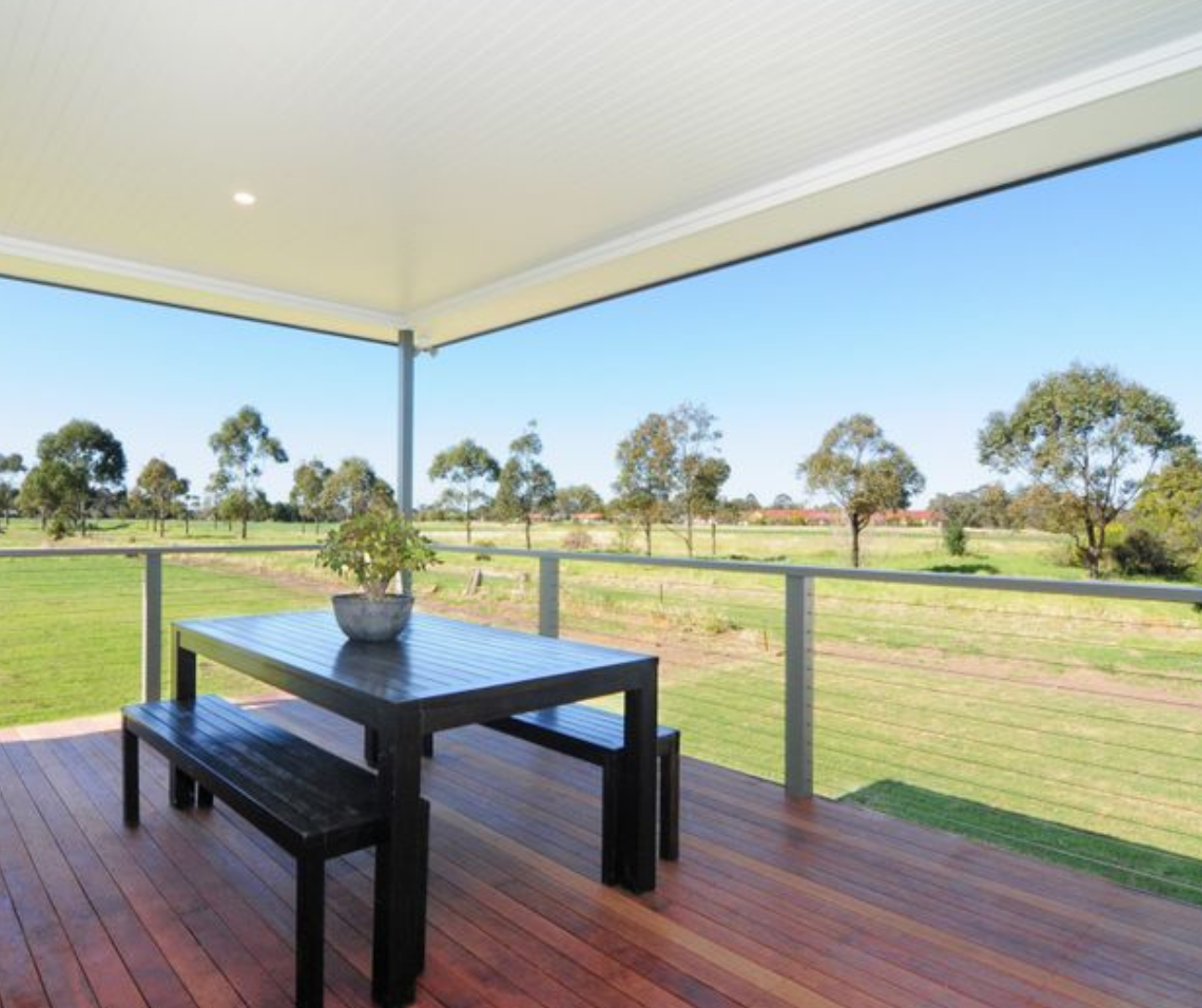
- Outdoor living. Decks, alfresco spaces, outdoor kitchens. The mild South Coast climate makes outdoor living one of the highest-return renovation investments and a steady source of fresh home renovation ideas for the region.
Each of these areas warrants its own deep dive, and we cover them in detail in the cluster posts below.
How to Choose the Right Builder for a Home Renovation
The single most important decision in any renovation isn't the materials, the design or even the scope. It's the builder you choose to deliver it. The right builder anticipates problems, holds the schedule together and looks after your home and your money. The wrong one drags out the project, surprises you with costs and leaves you chasing them after handover.
A short checklist of what to look for:
- Current builder's licence. Verify it directly via NSW Fair Trading. Anyone can call themselves a builder; only licensed builders can legally deliver residential work in NSW.
- HBCF coverage. For work over $20,000, your builder must provide HBCF insurance. Ask for evidence before paying a deposit.
- Industry association membership. Master Builders Association NSW or HIA membership signals a builder who's accountable to a professional body.
- Local experience. A builder who's worked in your area for years has the trade relationships, the council knowledge and the site experience you want on your project.
- Owner involvement. Ask directly: will the owner of the business be on site day-to-day, or is a site manager running the job? The honest answer tells you a lot. With small family-run builders, the owner is usually on the tools. With large volume builders, you rarely see them.
- References. Talk to past clients. Ask how communication held up, whether the build finished close to budget and timeline and whether the builder was around after handover when issues arose.
We're a small, family-run business. Jeff is on site every day, clients deal directly with him from first call to final handover and our trade relationships go back two decades. That's the opposite of how most volume builders operate and it's the model that produces the kind of work we want our name on.
Bringing It All Together
A successful home renovation comes down to four things: a clear scope, realistic planning, the right approvals in place and a builder you can actually trust to see it through. None of these are complicated on their own, but they reward the homeowner who takes the time at the start over the one who rushes into it.
Wherever you are in the process, whether you're still working out whether to renovate at all or you've got plans drawn and you're ready for a quote, the next useful step is usually a conversation with an experienced local builder. If you're planning a renovation anywhere on the South Coast, we're happy to talk it through with you. No obligation, no hard sell, just honest advice from people who've been doing this for over 25 years.
Key Takeaways
- Home renovations cover a wide spectrum, from a cosmetic refresh through to a full structural overhaul. Identifying which type applies to your project shapes every decision that follows.
- Defining your scope before you talk to a builder is the single most effective step you can take to avoid cost blowouts and project delays.
- Most structural renovations in NSW require either a DA or CDC before work can start, and missing this is one of the most expensive mistakes homeowners make.
- Trade sequencing matters. Working out of order means paying to undo it. A licensed builder coordinates the order from day one.
- Frame choice (steel versus timber) is worth deciding before plans are finalised, especially on coastal or bushland blocks where termite and fire risk are real factors.
- A licensed, insured, locally experienced builder who is on site daily is worth more than a cheap quote from someone managing the job remotely.
Frequently Asked Questions About Home Renovations in Australia
1. Do I need council approval to renovate my house in Australia?
It depends on the scope. Cosmetic work usually doesn't require approval, but structural changes, wet area extensions or anything that alters the building envelope typically requires either a DA or CDC. Rules vary by state and local council, so always confirm before starting.
2. In what order should you renovate a house?
Structural and demolition work comes first, then first-fix trades (plumbing and electrical rough-in), then lining and plastering, then second-fix fit-off (taps, power points, cabinetry), then decoration and finishes. Getting the order wrong means rework, so a licensed builder manages this sequence from day one.
3. How long does a home renovation take in Australia?
Timelines vary significantly by scope. A bathroom renovation might take three to six weeks on site; a whole-home renovation can take six to twelve months or longer once approvals are factored in. Approvals alone can add weeks or months before a single trade sets foot on site.
4. Can you live in your home during a renovation?
Sometimes, but it depends on the scope and sequencing. Cosmetic work is generally manageable. Kitchen and bathroom renovations can be disruptive but liveable with planning. A full home renovation often warrants moving out for a period and your builder should be honest with you about this upfront.
5. What is the difference between a renovation and an extension?
A renovation updates or transforms existing spaces within the current footprint. An extension adds new square metres, a new room, a second storey or an outbuilding. Many homeowners do both at the same time, which can improve efficiency by combining trades and approvals into one project.
6. What is HBCF insurance and do I need it?
The Home Building Compensation Fund (HBCF) is a mandatory NSW insurance scheme that protects homeowners if their licensed builder becomes insolvent, dies, or disappears before completing the work. It applies to residential building work over $20,000 in NSW, and your builder is required to provide evidence of HBCF cover before taking a deposit.
7. How do I know if my home has asbestos before renovating?
Pre-1990 Australian homes have a significant chance of containing asbestos in materials like fibro cladding, ceiling tiles or floor tiles. Before any demolition work begins, a licensed asbestos assessor should inspect the property. A responsible builder will raise this as part of their pre-construction process.
8. Is a steel frame better than timber for a renovation or extension?
Steel frames offer specific advantages: they are termite-resistant, do not warp or shrink over time, are non-combustible and are 100 per cent recyclable. For properties on the South Coast, where termite risk is real and coastal conditions can affect timber, steel is often the more durable long-term choice. The upfront cost is higher, but the peace of mind and reduced maintenance are worth considering.
9. What should I look for when hiring a renovation builder in Australia?
Check that they hold a current builder's licence (searchable via NSW Fair Trading), carry HBCF insurance, are a member of a recognised industry body like the Master Builders Association and have local experience with trades they trust. Ask whether the owner will be on site day-to-day or managing remotely. The answer tells you a lot.
10. How do kitchen and bathroom renovations differ from a whole-home renovation?
Kitchen and bathroom renovations are room-specific and can often be done independently. A whole-home renovation treats the entire property as one project, reconfiguring layout, upgrading services throughout and delivering a cohesive result. The planning and approval requirements are more complex, but the outcome is a home that works as a complete system.