Renovating a House Checklist: The Australian NSW Edition
Most people walk into a renovation thinking about tiles and taps. What really keeps a build running smoothly is the paperwork, inspections and careful coordination between trades. There are more moving parts than most first-time builders expect, and getting the timing right can make all the difference.
This house renovation checklist is not for inspiration, not a mood board, but an ordered list of what has to happen and when, from the first budget conversation through to the day we sign off.
Get the sequence right, and the job feels calm. Get it wrong, and you could end up paying someone to remove brand-new tiles because the waterproofing was never properly inspected.
This guide walks through every stage in order, written for NSW homeowners and the rules that apply here. For the wider picture on scope, cost and design decisions, our complete guide to home renovations in Australia covers the ground before this one.
What Should Be on Your Home Renovation Checklist?
A full renovation checklist covers five key stages, each with its own essential tasks and requirements.
- Stage one is pre-design and budgeting, where you lock in scope, set a realistic figure and add a contingency.
- Stage two is approvals. In NSW, that means working out whether your project needs a Development Application, a Complying Development Certificate or no approval at all.
- Stage three is pre-renovation inspections for asbestos, pests, wiring and plumbing.
- Stage four is construction, run in the correct trade order.
- Stage five is handover, where defects get cleared, and certificates get collected before final payment.
Powerbuild Homes is a family-owned renovation builder working across the Shoalhaven region. We walk clients through this exact list on every job. If you would rather see how it plays out on a real project, our
home renovations in Nowra page sets out how we run a build from first consult to handover.
Pre-Design & Budgeting
Separate The Needs From The Wants Early
Before anyone draws anything, write down what the renovation has to fix and what you would simply like it to include. Structural problems, a leaky bathroom, a kitchen you cannot cook in: those are needs. A butler's pantry is a want. Sorting the two now means that if the price comes back higher than you hoped, you already know what comes out instead of making that call under pressure.
Set A Budget With A Real Contingency
The budgeting stage looks much the same on any renovation checklist Australia-wide, but the approvals that follow are specific to NSW. Whatever number you land on, hold a contingency back on top of it.
Older homes hide things behind their walls, and the honest position is that nobody knows what is in there until the linings come off. Most builders and homeowners allow a contingency of around 10 to 20 per cent of the contract value to cover unexpected costs.
Check Your Insurance Before Work Starts
Call your home insurer and tell them what you are doing. Standard home and contents policies often reduce or suspend cover during major building work, and an unoccupied house is treated differently again. Five minutes on the phone now is cheaper than finding out later.
Gather Finishes Early
Start narrowing down your choices for tiles, tapware, benchtops and cabinetry before getting a quote, not afterwards. It may seem early, but giving your builder clear selections helps them price the actual job rather than relying on allowances, reducing the risk of costly variations later.
- Scope written down and split into needs and wants
- A budget figure with a contingency sitting on top of it
- Insurer notified and cover confirmed for the build period
- A rough set of finish preferences ready to hand to a builder
If you are still at the very start of this and unsure what order to think in, our post on where to start with a house renovation is the one to read first.
NSW Approvals: DA, CDC & Exempt Development
This is the stage people underestimate most, and it is the one that decides your start date. NSW has three pathways, and which one applies depends entirely on the work.
A Development Application (DA) goes to your local council. It is the merit-assessed pathway, and it is what you need for major structural change, work that falls outside the state standards and anything on a heritage-listed or environmentally sensitive site. Council weighs the proposal on its merits, which takes longer but allows for projects that do not fit a standard mould.
A Complying Development Certificate (CDC) is the fast track. If your project meets the requirements set out in the relevant state policy, a private certifier or council can approve it without going through a full merit assessment. The NSW Government notes that complying development approvals can be issued in as little as 20 days and 10 days for Housing Pattern Book projects. That difference in timeframe is why the CDC pathway is worth checking before you assume you need a DA.
Exempt development covers minor, low-impact work such as like-for-like replacements, internal cosmetic updates, some decks and small structures within set limits. No approval is required, provided the work meets all the relevant exempt development criteria.
| Pathway | What it typically covers | Who assesses it | Typical timeframe |
|---|---|---|---|
| Development Application (DA) | Major structural change, second storey additions, heritage or sensitive sites, anything outside state standards | Local council | Varies by council and complexity |
| Complying Development Certificate (CDC) | Projects meeting the state standards for scale, setbacks and siting | Council or a private certifier | As little as 20 days |
| Exempt development | Minor cosmetic work, like for like replacement, small structures within set limits | No application required | Immediate |
One more thing that catches people out: BASIX. A BASIX certificate is required for alterations and additions valued at $50,000 or more, as well as projects that include a pool or spa with a capacity of more than 40,000 litres. That threshold is lower than most homeowners assume, so a mid-sized renovation will often trigger it.
Never assume your job is exempt because it looks small. Zoning, overlays and heritage controls change from block to block, and a quick call to your council is free. If you are unsure whether your project needs a DA or CDC, our guide to
[Future cluster post: "DA vs CDC in NSW", link when live] explains how the two approval pathways differ.
Pre-Renovation Inspections You Shouldn't Skip
Skipping this stage is how a renovation budget gets destroyed in week two. The pre-renovation inspections below happen before material decisions are locked in, not after.
Asbestos
Any home built before 1990 should be treated as a potential asbestos risk until the materials have been properly identified and tested. It can be found in eaves, wet-area sheeting, fencing and old vinyl backing and must be removed by a licensed professional under strict safety requirements. Testing first is far cheaper than stopping a job mid-demolition.
Pest and Termite
Termite damage is common along the South Coast, and it rarely announces itself. A pest inspection before you start tells you whether the frame you are about to build on is sound and whether there is remedial work to price in.
Electrical
Older Shoalhaven homes regularly carry wiring that predates modern safety requirements. If a licensed electrician identifies rubber- or cloth-insulated cabling or a switchboard without safety switches, it’s much easier to address these issues whilst the walls are already open.
Plumbing
Have your drainage and water supply lines checked before ordering tiles or cabinetry. Corroded pipework found after a bathroom is finished means pulling the finished bathroom apart, and that is the single most avoidable cost in a renovation.
Hiring the Right Renovation Professionals
Check The Licence Yourself
Anyone can say they are licensed. NSW Fair Trading keeps a public register of licence holders, and it takes about a minute to search a builder's name or licence number and confirm the licence is current and the right class for your work. Do it before you sign anything, not after a problem appears.
Our tip: ask for the licence number in writing and check it yourself rather than accepting a screenshot. For the record, ours is NSW Builder's Licence 239586C, and we are members of the Master Builders Association NSW. A builder who is genuinely licensed will hand the number over without hesitating and should have it clearly displayed on their marketing.
Get Itemised Quotes, Not Lump Sums
Three quotes is the usual advice, and it is sound, but only if they are itemised. A single lump-sum figure doesn’t show what’s included, what’s been allowed for or where the costs come from, making it difficult to compare quotes accurately.
Itemised quotes let you see where two builders have priced the same scope differently, which is usually where the real conversation starts. Our guide on how to choose a builder for your renovation goes deeper on what to ask.
Confirm HBCF Cover Is In Place
HBCF insurance is the NSW Home Building Compensation Fund, which provides protection if your builder dies, disappears, becomes insolvent or cannot complete or rectify the work. It is required for residential building work valued over $20,000 including GST and covers major structural defects for six years and other losses for two years, up to $340,000 with limits applying.
The certificate must be issued to you before work begins and before you pay the builder’s deposit. Most competitor guides still call this "Home Warranty Insurance", which has not been the scheme's name for years. For a clearer explanation of what HBCF cover means for homeowners, see our guide to
[Future cluster post: "HBCF Insurance Explained", link when live].
The Correct Order to Renovate a House
Trade sequencing is the part of a renovation that looks like common sense from the outside and costs a fortune when it goes wrong. Every trade depends on the one before it, and work done out of order almost always has to be undone.
- Demolition and strip out. Everything coming out goes first, including linings where new services are running.
- Structural work. Beams, posts, new openings, subfloor and roof repairs. Nothing else proceeds until the structure is right.
- Plumbing and electrical rough-ins. Pipes and cabling go in while the frame is open and accessible.
- Insulation and plastering. Walls and ceilings close up only once services are in and inspected.
- Waterproofing. Wet areas are waterproofed and left to cure properly before anything covers them.
- Flooring. Tiling and timber go down after waterproofing, never before.
- Cabinetry and joinery. Kitchens, vanities and built-in storage are installed onto finished floors.
- Painting. After the dust-producing trades are finished.
- Fixtures and fittings. Tapware, lighting, handles and appliances go on last.
- Final clean and handover inspection.
The two that catch people most often are tiling before waterproofing and painting before cabinetry. Both feel harmless at the time, and both mean redoing finished work.
How The South Coast Changes The Sequence
Sequencing on paper assumes trades are available when you need them. In the Shoalhaven, that is not always the case. Wet winters can delay work when the roof is off, or the slab is exposed. Good local trades can also be booked weeks ahead. Materials coming from Sydney can add even more lead time.
That is why we lock trades in early and order long-lead items well before they are needed. It is a practical approach that comes from building and renovating in the region, not from a generic national guide. For a closer look at how different trades fit into a renovation, see our guide to
[Future cluster post: "Sequencing a Whole Home Renovation: What Order Trades Work In", link when live].
Room-by-Room Considerations
Kitchen
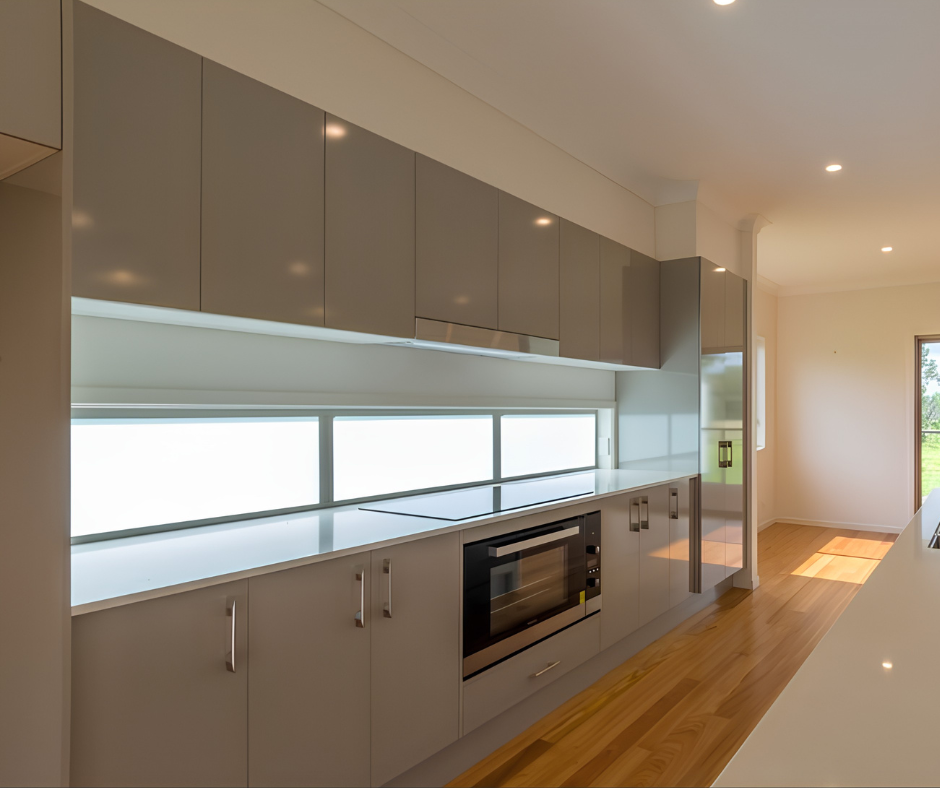
Layout and cabinetry decisions need to be made early. Joinery is measured from the finished framing and often ordered weeks in advance. Appliance lead times can also cause delays. If your chosen oven has a 10-week wait, for example, it could hold up the entire finishing stage. Choose appliances at the same time as you choose the layout. Our kitchen renovations in Nowra page covers how we handle that stage, whilst our upcoming guide to
[Future cluster post: Kitchen Renovation in Australia: The Complete Guide”, link when live] will cover the process in more detail.
Bathroom

Waterproofing is the single most critical step in the entire renovation, not just this room. It has to be done to standard, by the right trade and given time to cure before tiling. There is a reason failed waterproofing is one of the most common defect claims in residential building. See our bathroom renovations in Nowra page or our step-by-step guide on planning a bathroom renovation. For a more detailed look at the process, our upcoming
[Future cluster post: "Bathroom Renovation Australia: The Complete Guide", link when live] will cover the key planning and construction stages.
Living Areas
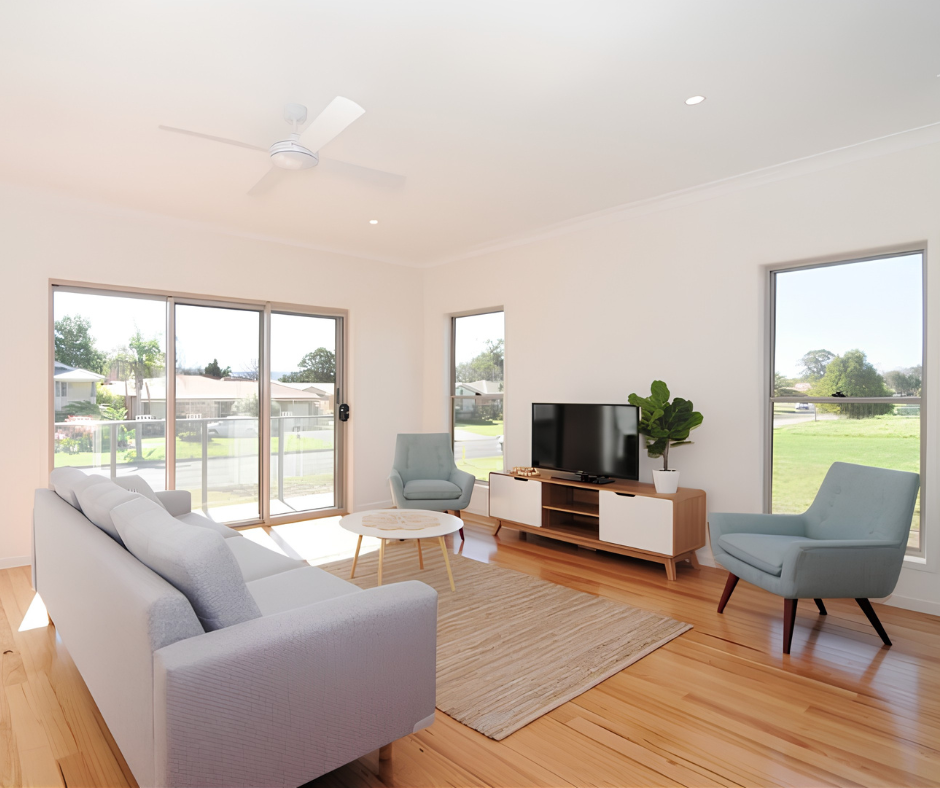
Flooring, lighting and power point locations all need to be finalised before the plasterer arrives. Walk the space and think about where furniture will sit, where you will charge things and where you want light falling. Moving a power point after the walls are closed is a small job that feels much bigger than it should.
Outdoor Areas

Decking, drainage and exterior lighting are usually the first things cut when a budget tightens, and the first things regretted. Drainage, in particular, is worth holding onto, because water sitting against a newly renovated house undoes the work fast.
Common Renovation Mistakes to Avoid
Every renovation checklist Australia-wide warns about cost blowouts, and for good reason. Here is what we see behind them.
Choosing the Cheapest Quote
The lowest number usually means something has been left out, not that a builder is more efficient. Compare the inclusions, not the totals.
Skipping Inspections To Save Time
Every dollar saved by not testing for asbestos or termites comes back multiplied when the problem surfaces halfway through.
Changing Plans Mid-Project
Variations are sometimes unavoidable, but making a change after cabinetry has been ordered or services have been roughed in can cost several times more than making the same decision earlier.
Assuming No Approval Is Needed
People find out their block carries a heritage or environmental overlay after the work has started. A phone call to the council beforehand prevents it entirely.
Underestimating How Disruptive It Is
Living through a renovation is harder than most people expect. Plan for where you will cook, wash and sleep before demolition day.
Final Inspection & Handover
Handover is not a formality, and it is not the moment to be polite. Walk the whole house with your builder and write a defect list before the final payment is made, because your leverage is highest before that transfer clears.
Test everything physically. Run every tap, fill and drain the bath, flush every toilet, switch every light and power point, open and close every door, window and drawer. Check the shower floor’s slope and look for any signs of water pooling where it shouldn’t.
Then collect the paperwork: appliance warranties, the waterproofing certificate, electrical and plumbing compliance certificates and the occupation certificate where one applies. That file is what you will need if something goes wrong in two years, or when you sell.
The defect period is the time after completion when your builder remains responsible for fixing faults that arise, such as settlement cracks, sticking doors or minor leaks. The length of the period is set out in your contract, so check the relevant clause before you sign. Separately, HBCF cover can protect for up to six years for major structural defects and two years for other losses, subject to the policy terms and conditions.
Want a Smoother Renovation? Get the Order Right

A renovation runs more smoothly when each stage is planned and completed in the right order. Get approvals sorted before finalising the design, complete inspections before covering up work, sequence trades carefully and clear defects before making the final payment. A house renovation checklist can help keep the project organised and reduce costly surprises along the way.
Powerbuild Homes helps homeowners across Nowra, Berry and the Shoalhaven with
custom homes,
renovations and
additions & extensions. If you are planning a project and want to talk through your options, contact us today.
Key Takeaways
- A full home renovation runs through five key stages: budgeting, approvals, inspections, construction order and handover.
- In NSW, most renovations need either a Development Application (DA), a Complying Development Certificate (CDC), or qualify as exempt development. Always confirm with your local council.
- A BASIX certificate is required for alterations and additions valued at $50,000 and over, which catches more renovations than most homeowners expect.
- Always verify a builder's licence through the NSW Fair Trading public register before signing a contract and confirm HBCF cover is in place for work valued over $20,000.
- Getting the trade order wrong, for example, tiling before waterproofing, is one of the most expensive mistakes to fix after the fact.
- Inspections for asbestos, pests, electrical and plumbing issues should happen before any material decisions are locked in.
- A thorough handover, including a defect walkthrough and a full set of compliance certificates, protects you long after the builder leaves the site.
Frequently Asked Questions About House Renovation Checklists in NSW
Do I need council approval to renovate my house in NSW?
It depends entirely on the scope of work. Purely cosmetic renovations, like painting or replacing a benchtop, rarely need approval. Structural changes, extensions and most wet area work will need either a DA through council or a CDC through a certifier. Zoning, heritage listings and environmental overlays can change the answer from one street to the next, so check with your local council before assuming anything.
What is the difference between a DA and a CDC?
A Development Application goes through your local council and is assessed on merit, which suits major structural work, heritage-sensitive sites and anything outside the state standards. A Complying Development Certificate is a faster pathway for projects that already meet set state standards, and it can be issued by a private certifier or council in as little as 20 days. The CDC route is quicker but far less flexible, because your project has to fit the standards exactly.
How long does a full home renovation take in the Shoalhaven?
Timelines depend on scope, approval pathway and trade availability. A single bathroom or kitchen typically runs a matter of weeks once work starts. A whole home renovation more commonly runs several months from approval through to handover. Local factors matter here too, because wet weather and trade availability on the South Coast can stretch a program in ways a metro project would not see.
Can I live in my house during a renovation?
For cosmetic work, usually yes. For a whole home renovation or anything involving the only kitchen or bathroom, temporary accommodation is normally the more practical option. Living on site through major work is possible, but it slows the trades down, and a slower job costs more. Talk it through with your builder early, because it affects both the program and the price.
What should I renovate first?
Structural, plumbing and electrical issues come first, every time. Cosmetic finishes installed over an unresolved structural or services problem simply get pulled up again when the real issue surfaces. Work from the bones outwards: structure, then services, then linings, then finishes.
What is HBCF insurance and do I need it?
The Home Building Compensation Fund is the NSW scheme that protects homeowners if a licensed builder dies, disappears, becomes insolvent or has their licence suspended for failing to comply with a rectification order. Cover is required for residential building work valued over $20,000 including GST. It runs for six years on major structural defects and two years on other losses. Your builder arranges it, and you should receive the certificate before work starts and before paying a deposit.
How do I check if a builder is properly licensed in NSW?
NSW Fair Trading maintains a public register of licence holders that anyone can search. Look up the builder by name or licence number, confirm the licence is current and check the class covers the type of work you are having done. Also check for any disciplinary history recorded against the licence. It only takes a minute, and it is the single most useful check you can make before signing.
What is a defect period and how long does it last?
The defect period, sometimes called the defects liability period, is the window after practical completion during which your builder is responsible for returning to fix faults that appear. Typical examples are settlement cracking, doors that stick as timber moves or a minor leak. The exact length is set out in your building contract, so read that clause before signing. It sits alongside, and does not replace, the statutory warranty periods that apply under NSW home building law.
Do I need an architect for a home renovation?
Not always. Projects involving structural change, added rooms or a significant reconfiguration usually benefit from an architect or a building designer, both for the design itself and for the documentation that approvals require. Smaller cosmetic renovations generally do not need one. A good builder can tell you early which category your project sits in and connect you with the right person.
What renovations add the most value to a home?
Kitchens and bathrooms are consistently the strongest value adds, largely because they are the rooms buyers judge a house on. Adding usable living space through an extension can also perform well where the block and the local market support it. The honest answer is that the right scope depends on your property, your suburb and how long you plan to stay, so it is worth being clear on whether you are renovating to live or renovating to sell.