Renovation Ideas for Old Homes: A Practical Guide for Australian Houses
Older homes have a charm that new builds rarely match, from high ceilings and timber floors to leafy, established streets. But once renovations begin, that charm often comes with hidden challenges. The best home renovation ideas preserve the character you love while updating the home for modern living.
The good news is that it can be done, and done beautifully. Older houses are often solidly built, well located and full of character worth saving. For more than 25 years, Powerbuild Homes has helped homeowners across Nowra and the Shoalhaven renovate older homes by preserving their character and tackling hidden problems the right way.
This guide covers both sides of that job: the design ideas that make an old home a joy to live in and the practical considerations that protect your budget and your family before a single wall comes down.
What Are The Best Renovation Ideas for an Old Home?
The best old home renovations preserve original features like timber floors, cornices and leadlight whilst modernising layouts, kitchens, bathrooms and natural light to improve everyday living.
Before any of that, though, there is a step no inspiration photo shows you. An older house needs its structure, wiring, plumbing and hidden materials checked first, because that is where the surprises live. Sorting the bones before the finishes is what keeps a house renovation on budget and everyone in the home safe. Get that order right, and the rest is the fun part.
Is It Worth Renovating an Old House?
In most cases, yes. Older homes often offer great locations, quality craftsmanship and character that new builds cannot match. If the structure is sound, renovating is usually more affordable than rebuilding and can also increase your property's value.
There is a flip side worth being honest about. If the structure is failing across the board or the layout fights every single modern need, a knock-down rebuild can occasionally be the smarter spend. A good builder will tell you that up front rather than let you pour money into a home that cannot repay it. If you are weighing renovating against rebuilding, it helps to separate the facts from the myths about custom building in NSW before you decide.
"Nine times out of ten, the old place is worth saving. I would rather spend an hour in the subfloor with a torch telling you the truth than sell you a job that was never going to work."
Jeff Power, Powerbuild Homes
Know What You Are Working With
Renovating an older home starts with understanding how it was built, as its age and construction shape the best ideas and potential challenges. Australia's older housing stock falls into a handful of common types, and each has its own personality.
- Weatherboard and fibro homes: light, characterful and often on timber stumps. Weatherboard rewards restoration; fibro (fibre cement) from earlier decades can contain asbestos, so it needs care (more on that below). These weatherboard and fibro homes are common right across the South Coast.
- Brick veneer: a single skin of brick over a timber or steel frame, typical of mid-century builds. Generally solid, though insulation and wiring are usually well overdue.
- Double-brick: heavy, durable and excellent thermally, but internal changes need proper structural planning because more of the walls are doing real work.
- Homes on timber stumps: charming and easy to level or lift, but stumps can rot, move or sag over time and should always be checked.
Knowing which camp your home sits in tells you where the easy wins are and where a builder needs to look closely first.
Home Renovation Ideas That Respect an Older Home's Character
This is the part most people come for. Here are the home renovations that consistently work in older Australian houses, updating them for modern life without stripping away what makes them special.
Restore and Hero the Original Features
Before replacing anything, assess what is already there. Original features like timber floors, ceiling roses, decorative cornices, skirting boards and leadlight are difficult and costly to replicate. Restoring these period details is often more affordable and characterful than replacing them, especially when they become a feature of the new design.
Open Up Cramped, Compartmentalised Layouts
Many older homes have small, separate rooms and narrow hallways. Removing selected internal walls can create a more open, brighter layout that better suits modern living. However, some walls are load-bearing, so always consult a builder before making structural changes.
Update the Kitchen and Bathroom for The Way You Live Now
Kitchens and bathrooms are where daily comfort is won or lost, and they are the rooms that date the fastest. Modern function pairs beautifully with older homes when the materials nod to the era (think stone, timber and classic tiling rather than anything too clinical).
If a bathroom is on your list, our step-by-step bathroom renovation guide walks through the process, and our kitchen renovations page covers how we approach it.
Bring in More Natural Light
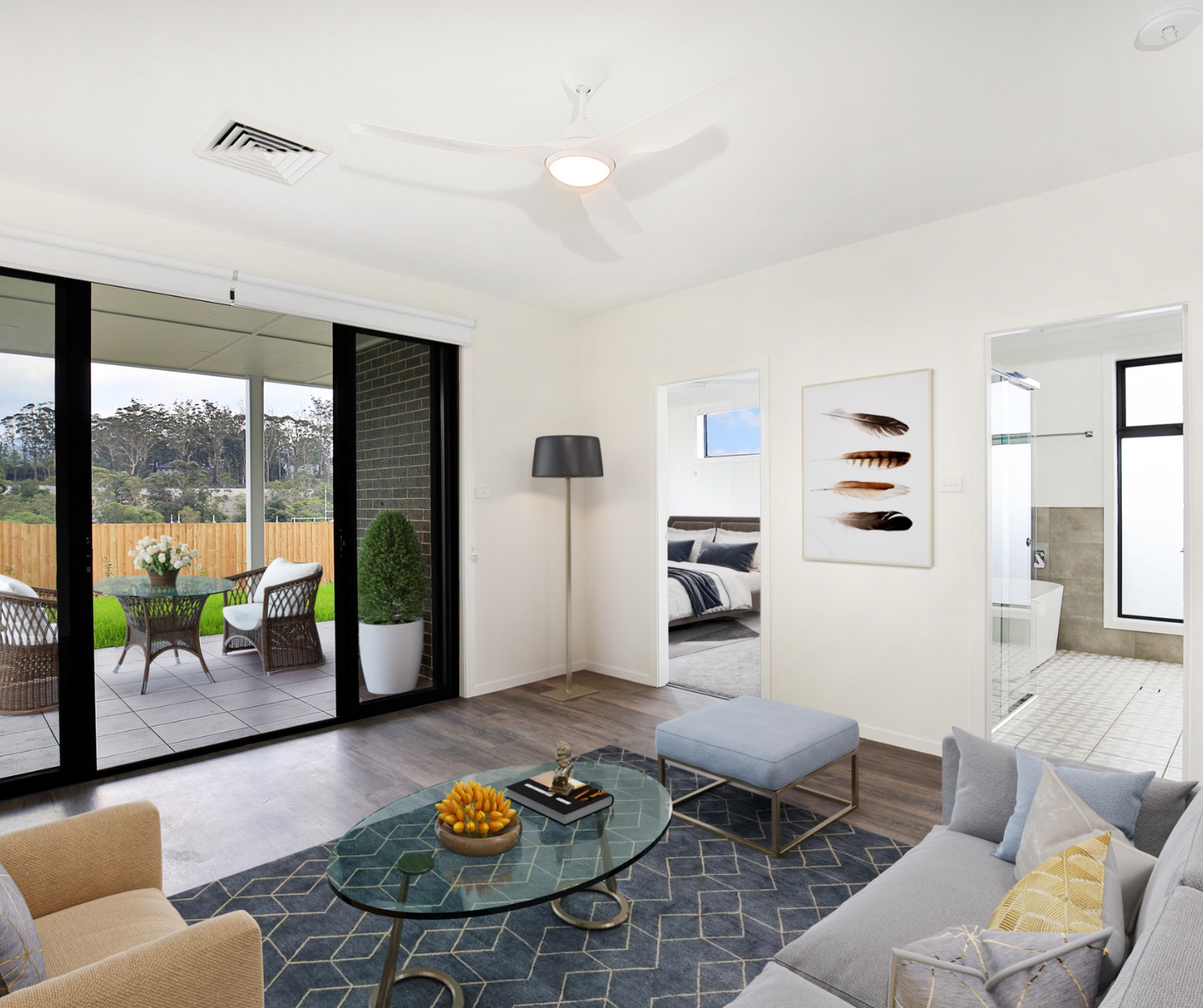
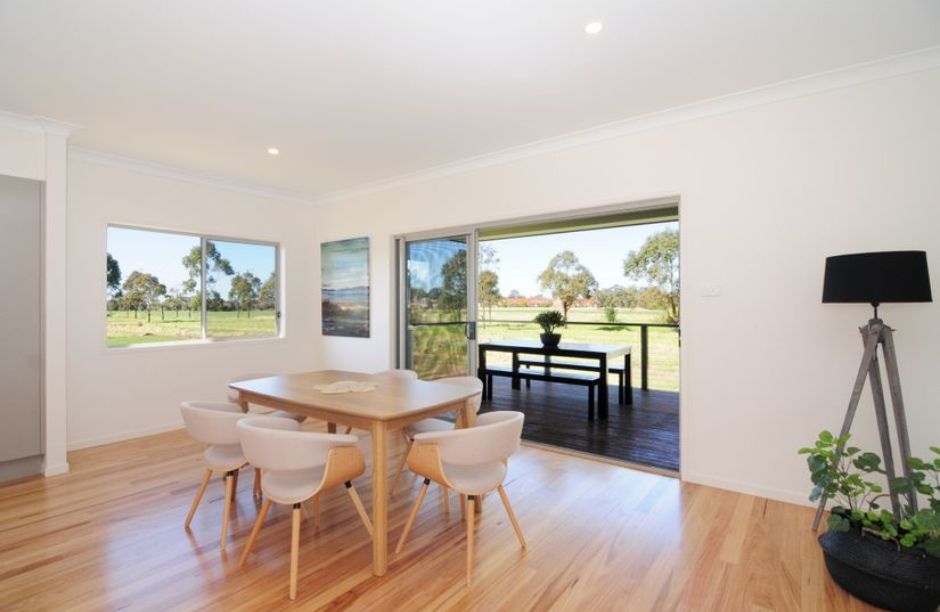
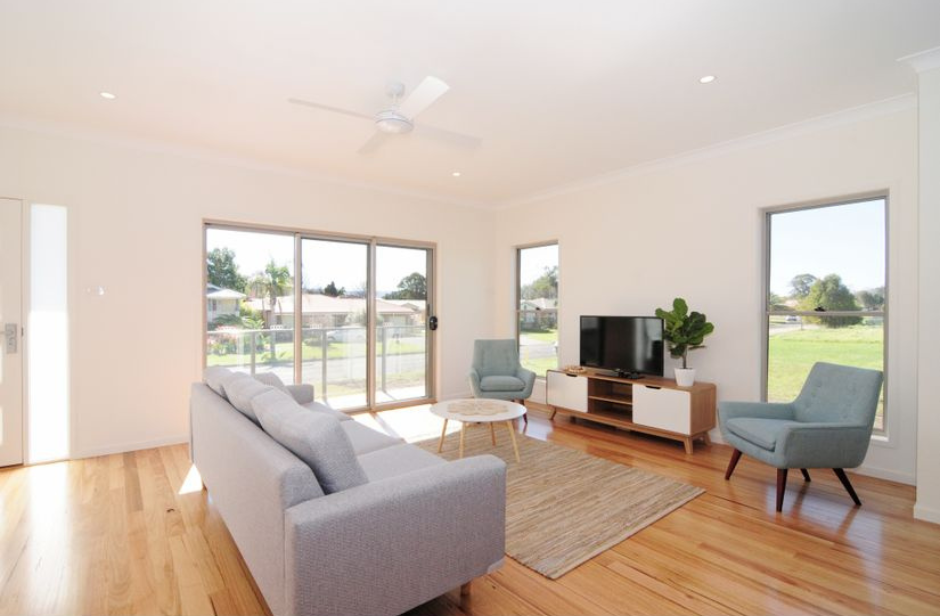
Poor natural light is one of the most common frustrations in older stock. Skylights, reinstated or enlarged windows and glazed doors can completely change the mood of a home and often make it feel larger without adding a square metre.
Refresh the Exterior and Street Appeal
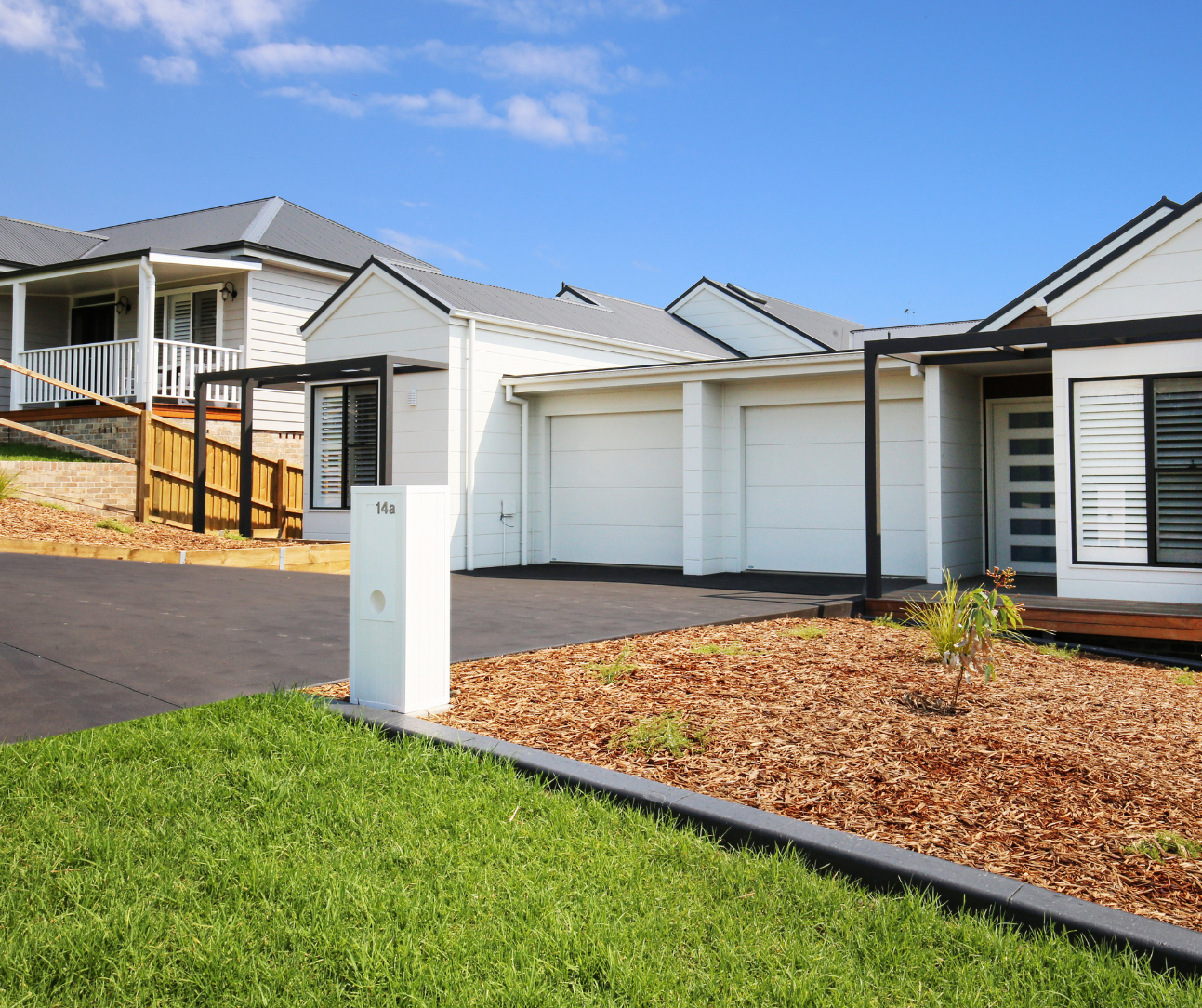
The outside earns its keep too. Sympathetic paint colours, repaired or replaced cladding and restored verandahs and period detailing lift kerb appeal and protect the home from the weather. Choose a palette that respects the home's age whilst still feeling like yours.
Connect the Indoors and Out
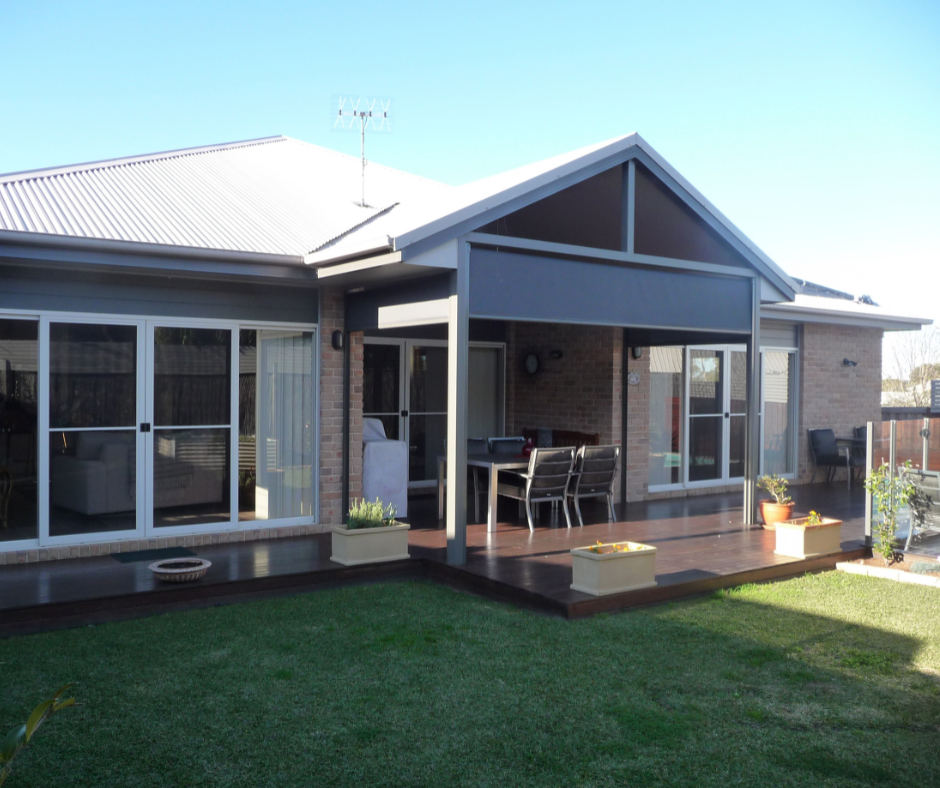
The South Coast climate is made for it. Decks, patios and wide glazed doors that open the living area onto the outdoors add genuine living space and suit the way we entertain down here. It is one of the highest-value ideas for an older coastal home.
Key Considerations Before You Start
Here is the counterweight to all those lovely ideas and the part the inspiration accounts skip. Before finishes, an older home needs its essentials checked and sorted.
Structure & Foundations
Age brings movement. Stumps can rot or sink, framing may be undersized by today's standards, subfloor ventilation is often poor and rising damp is common in older brick. A structural check comes first because everything else is built on top of it, literally.
Electrical & Plumbing
Old wiring is both a safety issue and a capacity issue, and a renovation is the ideal moment for rewiring an old house whilst the walls are already open. The same goes for ageing copper or early plastic pipework, drainage and hot water. Do it once and do it whilst access is easy.
Roofing, Guttering & Drainage
Water is an old home's worst enemy. Ageing roofs, rusted guttering and poor drainage can cause costly damage, so inspect and repair them before renovating.
Asbestos, Lead Paint & Other Hidden Hazards
This is the section to read carefully and the one no checklist handles properly. It is not a reason to panic, just a reason to plan.
Asbestos was commonly used in Australian homes built or renovated before 1990, especially those completed before 1987. You cannot identify it by sight, so any suspect materials should be professionally tested before renovation work begins. For more information, read the asbestos safety guidance for home renovators. If asbestos is confirmed, it should be removed by a licensed asbestos removalist.
Lead paint is another common hazard, particularly in homes painted before the 1970s. It becomes a real hazard the moment it is sanded or disturbed, so it needs testing and safe handling rather than a weekend with a power sander.
None of this should scare you off an old home. It is simply why you need to have the place properly assessed before you fall in love with a finished board.
Making an Old Home More Comfortable and Energy Efficient
Older homes can be draughty and hard to heat, but they respond well to sensible upgrades. The most cost-effective energy efficiency upgrades are often the simplest. Improving insulation, sealing draughts and upgrading glazing can make a noticeable difference. Solar can follow once the basics are done.
It is worth knowing that you are generally not forced to retrofit an existing home to current energy standards, but any new work you carry out will usually need to meet them. It is a good idea to fold these improvements into the renovation whilst the house is open rather than treating them as a separate job later.
Budgeting for the Unexpected
Old homes keep secrets, and they tend to reveal them the moment the walls come off. That is not a flaw in your planning. It is just the nature of renovating something with history. The single most useful thing you can do is build in a realistic contingency so a surprise becomes an inconvenience rather than a crisis.
Spend in the right order, too. The essentials come first: structure, safety and services, then the ideas and finishes on top. A detailed, transparent quote from an experienced builder beats a rough guess every time, because it tells you what is actually involved before you commit.
Our breakdown of what drives bathroom renovation costs is a good worked example of how the numbers really stack up on a single room.
Approvals & Choosing a Builder Who Knows Old Homes
Not every job needs council sign-off. Cosmetic work often does not, whilst structural changes and extensions usually do, and a heritage overlay changes the rules again. If your home is heritage listed or located in a character area, you will need specialist advice before starting any work.
[Future cluster post: "Renovating a Heritage or Character Home in Berry and the Shoalhaven" - link when live]
The biggest advantage in an older-home renovation is choosing an experienced, local builder. They know what problems to expect, how to avoid costly mistakes and how to keep the project running smoothly. With Powerbuild Homes, you work directly with Jeff, who manages every stage of your renovation. Explore our home renovation projects across the Shoalhaven to see how we approach older homes.
[Pillar post: "Home Renovations in Australia: The Complete Guide" - link when live]
[Future cluster post: "Whole-Home Renovation Sequencing" - link when live]
Bring Your Vision to Life with Powerbuild Homes
Renovating an older home means preserving its character whilst making it safer, more functional and ready for modern living. By addressing structural issues before cosmetic upgrades, you can avoid costly surprises and achieve a lasting result.
Whether you're planning a renovation, custom home or duplex and multi-dwelling project, Powerbuild Homes provides expert guidance and quality workmanship throughout Nowra and the Shoalhaven.
Ready to get started?
Contact us today to discuss your project and explore the best way forward.
Key Takeaways
- The best home renovation ideas for old homes balance preserving original character with modernising how the home actually lives.
- Knowing your home's era and construction, such as weatherboard, fibro, brick veneer or timber stumps, shapes both the ideas that suit it and the risks to plan for.
- Structure, wiring and plumbing should be checked and sorted before any finishes are chosen.
- If your home was built or renovated before 1990, it may contain asbestos. Homes built before 1987 are especially likely to contain it, so have suspect materials tested before disturbing them.
- A realistic contingency protects the project, because old homes reveal surprises once the walls come off.
- An experienced local builder is the biggest single thing that reduces risk on an old-home renovation.
Frequently Asked Questions About Renovating Old Homes
Is it worth renovating an old house?
Usually, yes. Older homes often have great locations, solid construction and unique character. If the structure is sound, renovating can improve comfort and increase value. If the home has major structural problems, rebuilding may be the better option.
What should you renovate first in an old house?
Start with the essentials. Check the structure, electrical wiring and plumbing before updating kitchens, bathrooms or finishes. Fixing these first helps prevent expensive repairs later.
How do I keep the character of my old home while modernising it?
Keep original features such as timber floors, cornices and leadlight windows where possible. Pair them with modern updates that complement the home's style instead of replacing its character.
Do old homes in Australia contain asbestos?
They can. Homes built or renovated before 1990 may contain asbestos, especially those built before 1987. The only way to confirm it is through professional testing.
How can I tell if my house has asbestos?
You cannot identify asbestos by sight. If your home was built before 1990, have any suspected materials tested before starting renovation work.
Should I rewire an old house when renovating?
In many cases, yes. Older wiring may not meet current safety standards or support modern appliances. Renovating is the best time to replace it.
Can you make an old house energy efficient?
Yes. Adding insulation, sealing drafts, upgrading windows and installing solar panels can greatly improve comfort and reduce energy costs.
Do I need council approval to renovate an old house in NSW?
It depends on the project. Cosmetic updates often do not need approval, whilst structural changes and extensions usually do. Heritage homes may have extra requirements.
Is it cheaper to renovate or knock down and rebuild?
It depends on the home's condition. Renovating is often more cost-effective if the structure is in good shape. Rebuilding may be the better choice if the home has major structural issues.
How do I choose a builder for an old-home renovation?
Choose a builder with experience renovating older homes. Look for clear communication, transparent pricing and a strong local reputation. Experience matters because older homes often uncover unexpected issues.