How to Renovate a House While Living in It
There is a moment in most renovations where the fridge ends up in the lounge room, the kettle lives on a trestle table and someone washes up in the laundry tub. It is not glamorous, but it beats paying rent on a second roof for four months.
The real question isn't whether people manage it; plenty do. It's whether your job is one you can sensibly stay in, which comes down to scope, not grit. Working out how to renovate a house whilst living in it starts with an honest look at what the build takes away from you, and for how long.
Can You Live in Your House During a Renovation?
Yes, for most renovations. With a usable bathroom, some form of kitchen and a weathertight place to sleep, you can usually stay put. Cosmetic work, single-room jobs and staged projects are often manageable, with noise, dust and a disrupted routine the main cost.
Staying gets harder if the only bathroom is out of action, an extension exposes the house to weather or power and water are off for long stretches. Powerbuild Homes is a small, family-run builder in Nowra and our advice is to discuss living arrangements whilst the job is being quoted.
Our
home renovations in Nowra range from single rooms to whole-home projects, so liveability is part of the conversation early. If you’re still asking, ‘I want to renovate my house, where do I start?’, our guide on
where to start with a house renovation covers the first step.
What Actually Makes a Renovation Liveable
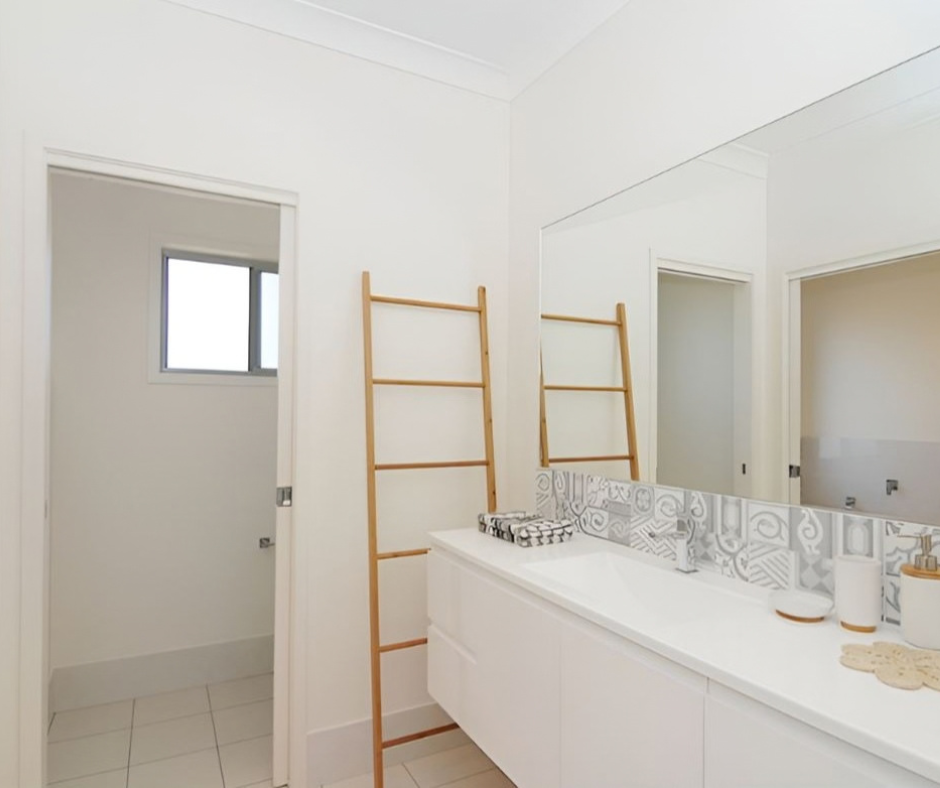
Bathroom access matters most. You can manage with a microwave and air fryer for months, but not without a shower, so losing the bathroom is usually why families move out.
Kitchen access matters less. A bench, fridge, kettle and sink elsewhere are usually enough. Weathertightness is easy to forget. A fortnight with the house open to the weather is very different from a build that stays sealed.
| Renovation type | Can you realistically stay? | What you lose | Rough duration |
|---|---|---|---|
| Cosmetic work and painting | Yes, easily | Access to one room at a time | Days to weeks |
| Bathroom renovation, second bathroom available | Yes | One bathroom | Weeks |
| Bathroom renovation, only bathroom | Difficult | All bathroom access during wet stages | Weeks |
| Kitchen renovation | Yes, with a temporary setup | Cooking and washing up in the kitchen | Weeks to a couple of months |
| Whole home renovation, staged | Usually, if sequenced for it | Rolling access to different zones | Months |
| Whole home renovation, all at once | No | Most of the house at the same time | Months |
| Ground floor extension | Sometimes | Weathertightness while the house is opened up | Months |
| Second storey addition | Rarely | Work happening directly above your living space | Months |
Renovation Types & Whether You Can Stay
Bathroom Renovations
This is easy with a second bathroom. With only one, a portable ensuite or a few nights with family bridges the gap. Our bathroom renovations in Nowra are sequenced to minimise time without the room.
Kitchen Renovations
Almost always, yes. Though they often run longer than expected. So set up a proper temporary kitchen from day one. Check out our work on kitchen renovations in Nowra for more details.
Whole Home Renovations
This depends on staging. A staged renovation moving through the house one area at a time is manageable. Doing everything at once is much harder. Our complete guide to home renovations covers the bigger picture if you are still planning your project.
Extensions & Second Storey Additions
Home additions and extensions are the hardest to live through, since the house opens up where it connects, or trades work directly above the rooms you use.
Cosmetic & Staged Updates
New flooring, painting and light joinery are easy to live through, which is why people underestimate what a structural renovation feels like, especially in an older Shoalhaven home. Our guide to
renovating an old home.
Plan for Liveability Before the Work Starts
Most advice on how to renovate a house whilst living in it treats staying put as something you endure. We'd rather you treat it as something your builder plans for.
Liveability belongs in the scope of works discussion from the start. A builder who knows you're staying can sequence accordingly. NSW Fair Trading has useful information on what a residential building contract should cover. The more you agree and put in writing before work begins, the fewer surprises you are likely to face later.
Staying can add time and time adds to price. A temporary kitchen and zone-by-zone staging both mean more setup and pack-down. Our guide to
home renovation timelines can help you weigh it up. Sometimes three weeks in a rental during the messiest stage is cheaper overall.
What to ask your builder before you decide:
- Can this be staged to keep a bathroom and kitchen available throughout?
- Which weeks will be the worst, and when?
- Will the house be open to the weather, and for how long?
- When will power and water be off?
- What are you sealing off, and what falls to us to protect?
- If we stay, does that change the program or the price?
These questions help you assess a builder if you haven’t chosen one. Plenty of people reach this point still thinking, ‘I want to renovate my house, where do I start?’, and the honest answer is that choosing the right builder comes first.
Setting Up to Live On Site: Your Pre-Start Checklist
Treat the setup as part of the job. Here’s a simple home renovation checklist for the week before the first trade arrives.
Choose & Protect One Clean Room
Choose one room that stays completely outside the work area. It must be sealed with floor protection, sheeting and a proper temporary door and keep your beds there.
The Temporary Kitchen
A temporary kitchen setup can include a bench or trestle, a fridge, a microwave, an air fryer or portable induction top, a kettle and a sink you can reach without walking through the works.
Managing Dust
Dust travels further than you might expect, through floorboard gaps and ceiling cavities, so dust containment matters more than cleaning. As your builder seals the work zone and runs extraction, your job is keeping the clean room sealed.
Storage & Decluttering
Clear as much out as you can before day one. That means less to protect, shift and clean up afterwards. A thorough
house renovation checklist can help you work through what to sort, store or remove before work begins.
Living Alongside the Trades
Your home is a shared space once work starts. Trades start early, since wet trades often need to finish in a single day and deliveries arrive first thing. Site access works best when agreed upfront.
The builder controls the site, but
SafeWork NSW advises homeowners to follow reasonable instructions and avoid active work areas. Set a clear boundary for children or pets, and keep a weekly check-in rather than daily chats.
When It's Smarter to Move Out
Some jobs are better not lived through. Move out if there's no bathroom access for more than a couple of days or the house is open to the weather. You also need to vacate if power or water is off for extended periods, there's a newborn or someone who can't cope with the noise, or you being there will slow the trades down.
Staying saves on accommodation but can add to the overall cost. Moving out doesn’t mean a full rental. Family, a short-term let, or a caravan on-site are worth pricing. If cost is a major factor in your decision, the
property value can help you weigh up your options.
Living Through a Renovation in the Shoalhaven
Homes across Nowra and Bomaderry are often older, so hidden issues like outdated wiring can add time. In a live-in renovation, that often means a longer stretch with a temporary kitchen than expected; build in some slack. Coastal weather adds risk and late December and January bring trade leave and busier schedules.
Ready to Live Through the Renovation?
You don't have to move out just because you're renovating, but staying works best when you plan for the disruption before day one. Work through a proper house renovation checklist with your builder before the quote is locked in and you'll know exactly what you're signing up for.
Planning a renovation in Nowra or across the Shoalhaven? Talk to Powerbuild Homes before you commit. We’ll look at your project, explain which stages you can realistically live through and flag where moving out may make more sense. Explore our home renovation services or get in touch to start planning.
Key Takeaways
- Bathroom access, not kitchen access, usually decides whether staying is realistic.
- Liveability is a sequencing decision made at the quoting stage, not improvised later.
- Extensions and additions are hardest to stay through, since the house opens to the weather.
- A sealed clean room and temporary kitchen, set up before day one, make a long build manageable.
- Staying saves on accommodation but can extend the program and cost.
- Moving out for the messiest weeks is often the smarter call, not a failure of nerve.
Frequently Asked Questions About Renovating While Living at Home
Can you legally live in a house during a renovation in NSW?
As a general rule, yes, as long as it remains safe and habitable. This will obviously be different for each renovation and scope of works and be on a case-by-case basis. Your builder and certifier can confirm any conditions on your consent.
How long can you live in a house during a renovation?
As long as the job runs, provided you have bathroom access, a simple kitchen set up, and a safe, weathertight place to sleep.
In what order should you renovate a house?
Structural work first, then plumbing and electrical, then plastering and linings, then fit-out, adjusted by zone if you’re staying home.
What is the hardest part of living in a house during a renovation?
Losing bathroom access and the sheer length of the disruption tend to wear people down more than the noise or dust ever does. Most families can tolerate a messy few weeks, but a project that drags on for months without a proper bathroom is a different kind of strain.
How do you set up a temporary kitchen during a renovation?
A workable temporary kitchen needs a bench, fridge, microwave, air fryer or portable cooktop, a kettle and sink access away from the work zone, plus somewhere to put rubbish.
How do you keep dust out during a renovation?
Proper sheeting and a temporary door sealing off the work area are the first line of defence, with your builder managing containment and extraction on their end. Your role is simply keeping the clean room sealed and not walking dust through it yourself.
Should I move out during a kitchen renovation?
Usually not, since your bathroom and bedrooms stay available throughout and only the kitchen itself is out of action. The exception is when the kitchen work is part of a larger structural renovation that affects more of the house at once.
Should I move out during a home extension?
It's often worth it, since an extension opens up the existing house at the join and can leave it exposed to the weather for a time. Some families choose to stay only through the calmer stages and move out for the noisiest or most disruptive weeks.
Is it cheaper to live in your house during a renovation?
Usually, since staying put means you avoid paying for alternative accommodation on top of the build. That said, a longer project timeline, which staying can sometimes cause, may offset some of those savings.
What do people most regret about renovating whilst living at home?
The most common regrets are underestimating how long the disruption will actually last and skipping a proper clean room and temporary kitchen setup before work begins. Agreeing on the sequencing with your builder early on helps avoid both of these.